| Factor | X Ad Revenue Sharing (ARS) | X Subscription |
|---|---|---|
| Income per audience unit | ~$42.50 per 5M impressions (eligibility floor) | 100 subscribers @ $4.99 = ~$484/month |
| Follower threshold | 500 verified (Premium) followers Both filters for Premium users — ~0.26% of X’s user base | 2,000 verified (Premium) followers |
| Effective revenue share | 97% on first $50K lifetime; compresses after | 97% web; ~68% via iOS/Android after app store cut |
| Rate stability | CPM compressing as eligible creator pool grows — structural, not temporary | Creator-controlled price; unaffected by platform growth |
| Content risk | One Community Note = post ineligible for ARS, no appeal High risk for finance, AdTech, platform-stats content | No revenue penalty from Community Notes |
X (previously Twitter) Monetization Strategies That Actually Work in 2026
Tutorials
Updated Jun 26, 2026
- Published
- Updated
Disclaimer: Originally posted in December 2024, this article has been updated for accuracy reasons. All strategies, technical specifications, and data points in this guide have been fact-checked by our Metization department specialists led by Ioannis Giouroukakis, in accordance with Monetag’s strict Editorial Guidelines.
You know what? Twitter isn’t just for hot takes and memes anymore. If you’re a publisher, webmaster, or website owner, it’s one of the best places to grow an audience—and make money from it. But here’s the thing: not all Twitter monetization strategies work the same. Some bring in steady cash, while others fizzle out fast.
Let’s break down the strategies to monetize Twitter traffic in 2026 — no fluff, just what’s working right now.
Contents
hide
1. How do You Monetize Your Twitter (X now) Traffic Without Relying on Ads in 2026?
Since the platform suppresses external links, start by treating X as your distribution layer, then make sure your followers get on your own channels for your to collect. In other words, use thread as your qualification layer, and a newsletter or community as the place where transactions happen.
Most people think running ads is the only way to make money from Twitter. It’s not. If you have decent engagement, you can turn followers into paying customers. Here’s how:
- Affiliate links in threads. Instead of dropping random product links, create threads that solve a problem. For example, if you run a tech blog, a thread like “5 Underrated Gadgets That Save Time” with affiliate links can convert well.
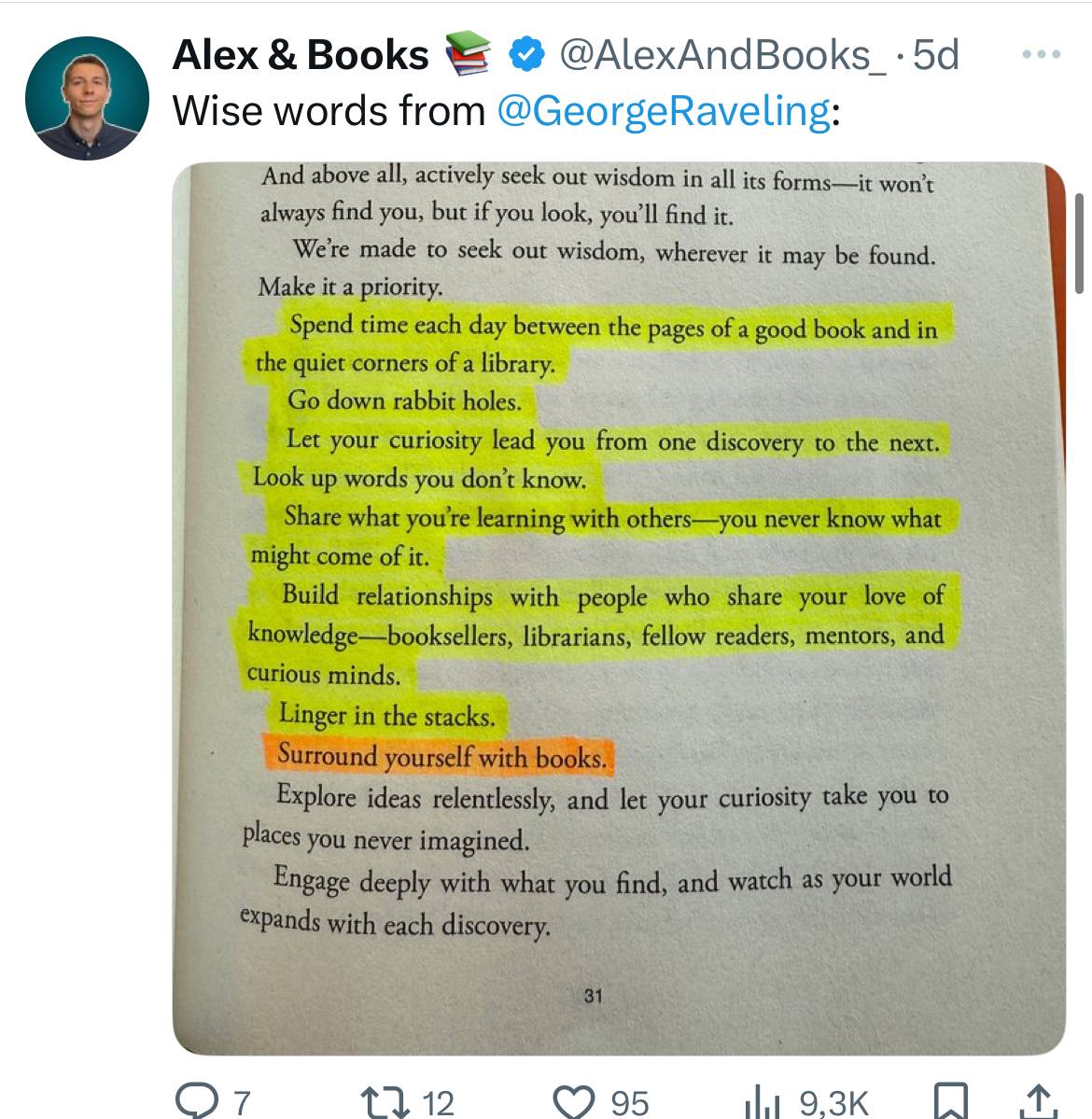
Screenshot from https://x.com/AlexAndBooks
Here’s the thing: X penalizes tweets with external links (these posts get about 30 – 50% less initial reach than equivalent posts without links). This way, if you place the link deeper in a thread, the hook gets full distribution while the link reaches only readers engaged enough to follow through. Which means that by the time someone sees your link, they’re already halfway convinced and higher-intent than a cold scroller with a naked link. Add to that the fact that threads earn 40–60% more total impressions than regular tweets, and the traffic reaching your funnel will likely be more ready to convert. The result: a smaller but pre-qualified click base which can lift your CTR.
And we’re not just saying so. Here’s the Case Study from one of our publishers, which monetized in-thread with the help of Monetag. He turned 1.6M Impressions into $7.4K with our SmartLink, and you can read all about his experience here.
So, what is the optimal thread architecture for affiliate links?
Glad you asked. The optimal thread architecture for affiliate links revolves around placing educational value in the first 2-3 tweets, followed by affiliate links deeper in the thread. This way, you avoid getting penalized by the algorithm and reach the most pre-qualified readers.
- Sell your own products. Whether it’s an ebook, course, or merch, Twitter’s a great place to promote it. Just don’t be pushy—give value first, then mention what you’re selling.
- Drive traffic to monetized content. If you have a blog with display ads or sponsorships, use Twitter to get more eyes on it. A well-timed tweet with a compelling hook can send thousands of visitors your way.

Screenshot from https://x.com/dollarsanddata
The key? Don’t treat Twitter like a billboard. Treat it like a conversation.
2. Twitter’s (now X) Native Monetization Features: What the Math Says in 2026
Twitter (now X) has rolled out a few ways to earn directly from the platform. Some are hit-or-miss, but a couple are worth trying:
- X Premium Ad Revenue Sharing (formerly Twitter Blue). 2026 has brought new changes for this subscription: 500 verified followers and 5 million organic impressions for the last 3 months. If you follow through, Twitter is willing to pay for ad revenue sharing. The catch? Content that generates high reply volume (debate, commentary, threads) earns the most. And the payout rates average between $0.02–$0.15 CPM.
Let’s recap: What are the exact requirements for Twitter/X Ad Revenue Sharing in 2026?
If you want to qualify for X’s Ad Revenue Sharing program in 2026, you need an active X Premium Subscription (you can get that for $8/mont minimum), but also 500 verified followers and 5M organic impressions in the last 3 months.
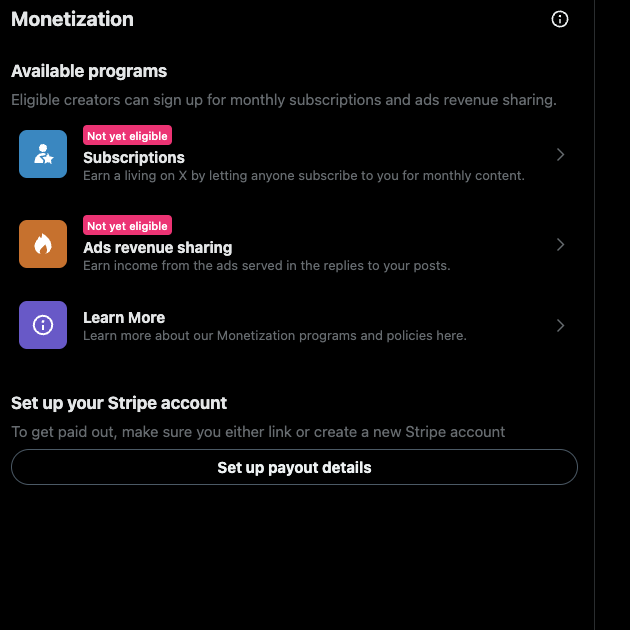
- X Subscriptions (previously Super Follows). Priced at $2.99–$9.99/month, requires 2K verified followers and 5M impressions/3 months to let followers pay for exclusive content. This works best if you already have a loyal audience — think niche experts or creators with deep expertise.
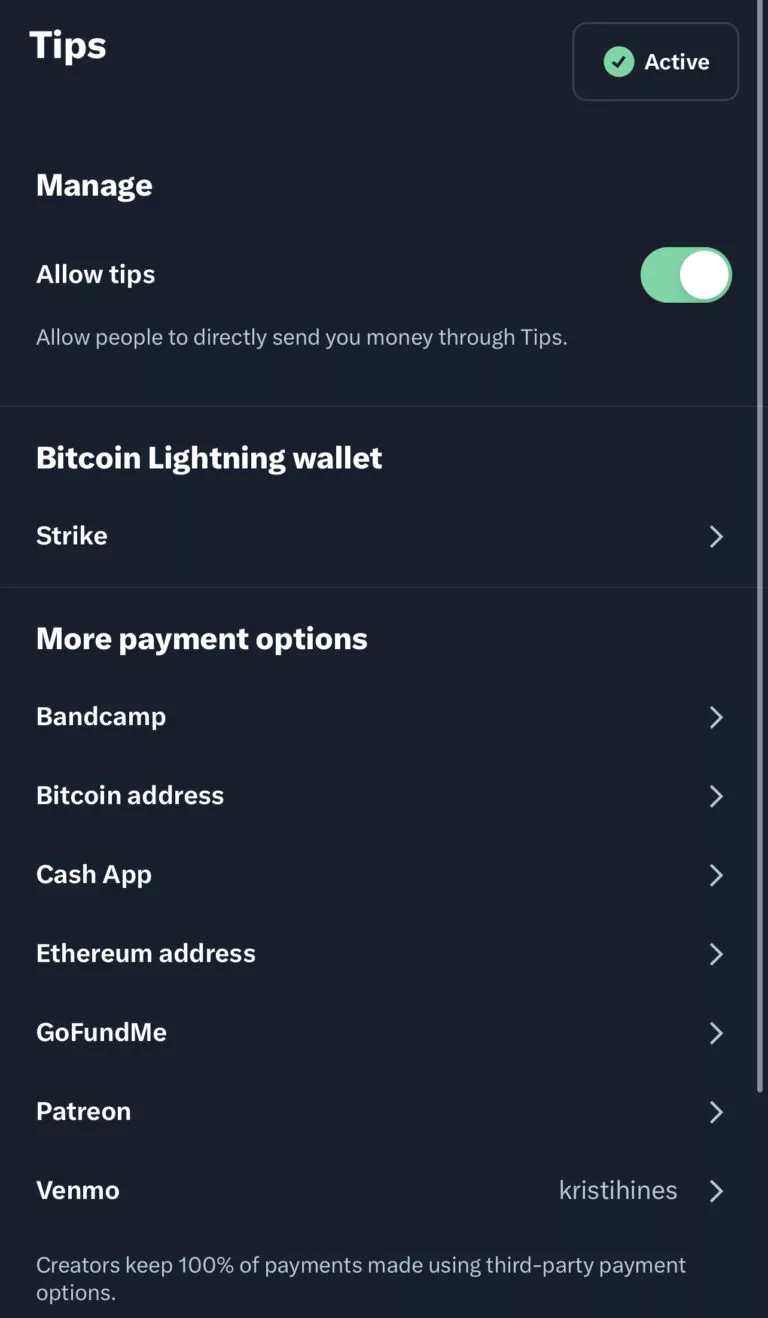
- Tips. Enable the “Tip Jar” feature so followers can send you money directly (through various payment providers). It’s small-scale, but every bit helps.
We decided to make the process simpler for you, by creating this easy to follow Ad Revenue vs. X Subscriptions table.
Honestly, these won’t make you rich overnight. But combined with other strategies to monetize Twitter, they add up.
3. The Ecosystem Approach: Brand Deals & Off-Platform Funnels
Twitter can’t give you an audience you own, although it’s very good at giving you reach. And while it’s becoming more and more selective, the followers you gather today, might not be there to follow again tomorrow. What can save you is to treat X as your Top Of The Funnel (ToFu): draw attention through threads, then redirect that attention to an environment you control, from where you can save that audience.
Add a pinned CTA pointing to your newsletters. From there, you have Beehiiv for commission-free subscriptions and a built-in ad network, Substack as a strong discovery network (for early-stage growth), or even Discord for the bottom of the funnel (BoFu) and more engaged subscribers. But let’s see each of these in more detail.
How do you bridge a Twitter audience to a paid newsletter?
Some creators bridge Twitter audiences to paid newsletters by utilizing the pinned tweet feature, integrating seamless opt-in links directly into their bio, and hosting weekly Twitter Spaces to drive high-intent listeners to dedicated landing pages on platforms like Beehiiv or Substack.
Sponsorships & Brand Deals (The Big Money Move)
Here’s where things get serious. Brands pay good money for exposure, and if you’ve built trust with your audience, you can land sponsorships.
How to attract sponsors? Post consistently in a specific niche (tech, finance, fitness, etc.). Brands look for creators who already talk about their industry. Rates for sponsorships vary, but a good starting point is $50–500 per tweet, depending on your reach. Micro-influencers (10K–100K followers) often get better engagement than mega-influencers. To keep things professional, use a clear collaboration agreement. You can explore ready-to-use templates on platforms like Freshdox to get started.
Note: don’t forget to disclose partnerships, and always use #ad or #sponsored to stay compliant with FTC rules. Transparency builds trust.
The best part? Once you land a few deals, more will follow.
Repurpose Twitter Content for Other Revenue Streams
Why let good content go to waste? Some of the best strategies to monetize Twitter traffic involve recycling what you’ve already made:
- Turn viral threads into blog posts. Expand on a popular tweet and publish it on your site. Then monetize with ads or affiliate links.
- Create a newsletter. Use Twitter to grow an email list. Platforms like Substack or Beehiiv let you monetize through subscriptions.
- Sell tweet templates. If your writing style gets engagement, offer tweet templates or ghostwriting services.
Repurposing saves time and stretches the value of every post.
Build a Community (Then Monetize It)
Communities pay. Whether it’s a private Discord, Patreon, or a membership site, people will pay for access if you offer real value.
You can begin with free value, for example, when you give away some expert insights, then offer deeper access for paying members. Don’t limit yourself to standard tweets: Twitter Spaces are perfect for hosting live discussions and teasing premium content. Finally, you can directly offer 1-on-1 consultations – if you build a reputation as an expert, people will pay for your time.
This isn’t a quick fix, but it’s one of the most sustainable Twitter monetization strategies 2026 has to offer.
What Twitter Monetization Strategies Stop Working in 2026? Anti-Patterns to Avoid
Most X monetization strategies fail at the same three points: firstly, optimizing content for reply-thread views instead of verified Home timeline impressions, which, under current platform guidelines, are more important for creator revenue pools. Secondly, posting external links as standalone posts, which causes the recommendation algorithm to down-rank and suppress distribution. And lastly, mistaking total follower count for earning potential, when X actively gates payouts, eligibility, and premium density thresholds based exclusively on verified Premium users.
If you’ve checked any other guide by this point, you’re probably tired of hearing the same do this, try this formulas. So here’s what can break your good work, and you need to avoid at all costs in 2026 monetizing on Twitter/X.
- Optimizing for replies or likes – since January 2026, X has removed reply-thread impressions from earnings entirely, so your payouts now depend exclusively on impressions from Premium users. So don’t go chasing volumes or likes since X hasn’t been paying for those for over a year.
- Posting affiliate links in standalone tweets – The X algorithm downgrades accounts that trigger its external-link suppression, and two weeks of being on their black list can undo a month of hard work. That’s why you have the thread placement for your affiliate links.
- Treating follower count as a monetization signal – ARS and Subscriptions filter for Premium-subscribed followers. So, when you promote products that don’t interest your audience, the trust and engagement of those Premium users drop. And this is how a 50K general audience can earn you less than a 5K of niche Premium followers.
The bottom line: Make sure you’re optimizing for what X actually pays, rather than for visible numbers or what other platforms might reward you for.
Final Thought: The Consistency Equation
None of these strategies work if you post once a month. Twitter rewards consistency—not just in posting, but in providing value.
So pick one or two methods, stick with them, and adjust as you go. The money won’t come overnight, but it will come.
And if you’ve tried any of these, what’s worked for you? Sometimes the best proven strategies for Twitter monetization come from real-world testing.