
| PopAds Pros | PopAds Cons |
|---|---|
| Setup in minutes, daily payouts from $5 | Popunder format only: No push, native, or SmartLink |
| 2B+ daily impressions, 180+ countries | No publisher-side AI optimization |
| AdScore traffic validation included | Tier 1 CPMs lower than multi-format networks |
| RTB real-time bidding | iOS traffic unmonetized: Popunder is blocked on iOS |
| Compatible with AdSense (with limitations) | No dedicated support for small publishers |
Best PopAds Alternatives for Publishers in 2026

PopAds has been around since 2010 and remains one of the most recognizable names in popunder advertising. For publishers who want a simple setup, daily payouts, and immediate access to pop traffic demand, it still serves a clear purpose. However, the platform’s focus on a single ad format means publishers increasingly compare it with newer monetization platforms offering additional formats, AI optimization, and broader traffic monetization options.
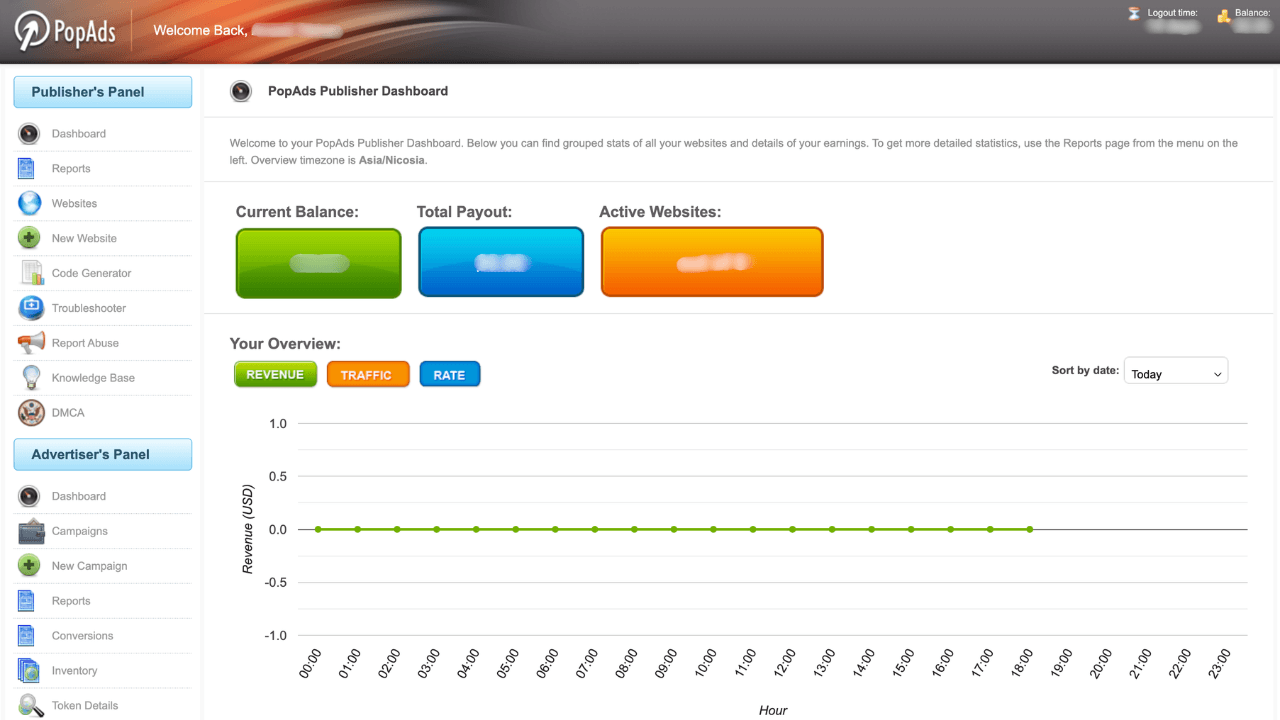
PopAds has limitations: it only serves popunder ads, does not provide AI-based optimization, and offers limited format diversity. As browsers evolve and publishers look to increase eCPM, many are evaluating whether a multi-format platform can generate higher revenue from the same audience.
We’ll cover how popunder monetization actually works, why publishers move off single-format networks, and which alternatives are worth your time in 2026.
Contents
hide
Key Takeaways
- PopAds is a popunder-only network. That single-format ceiling limits revenue potential compared to multi-format platforms with AI optimization.
- The strongest PopAds alternatives in 2026 are Monetag, Adsterra, RichAds, and AdMaven – with Monetag offering the broadest format stack, built-in AI optimization via MultiTag, and no minimum traffic requirement.
- Switching from a single popunder format to Monetag’s MultiTag produces eCPM increases of up to 53%, based on Monetag’s internal platform data, because the system tests all available formats simultaneously and routes each visitor to the one that converts.
- Popunder (OnClick) traffic is the same format across all these networks. What differs though, is the optimization layer, the format stack around it, and what happens to the audience segments popunder alone cannot reach.
- PopAds holds real advantages for pure popunder volume campaigns with minimal setup. It is not the ceiling for publishers who want to grow.
How PopAds Fits Into Modern Publisher Monetization
PopAds (popads.net) is a popunder-only ad network founded in 2010, serving over 2 billion ad impressions daily across 180+ countries via real-time bidding.
The platform focuses exclusively on popunder advertising, sometimes referred to as onclick advertising or clickunder ads. Unlike broader ad networks that offer multiple monetization formats, PopAds specializes in a single inventory type. For publishers primarily monetizing desktop traffic through pop ads, this specialization has historically been one of the platform’s main strengths.
The network operates on a CPM model using RTB (real-time bidding). Advertisers bid for impressions, and the highest bidder wins the placement. Publishers receive revenue based on the winning CPM.
PopAds remains popular because of several publisher-friendly policies:
- Minimum payout of $5.
- Daily withdrawals.
- Fast account approval.
- No significant traffic requirements.
- Coverage across more than 180 countries.
How PopAds Monetizes a Visitor
Visitor
PopAds Tag
RTB Auction
Highest Advertiser Bid
Popunder Opens
Publisher Earns CPM
One Visitor. One Monetization Opportunity.
This model relies on a single monetization event generated from one visitor session.
Figure 1. A simplified overview of how a PopAds impression moves through the RTB auction before generating publisher revenue.
Traffic quality verification is handled through AdScore, which categorizes impressions as Valid, Junk, Proxy, or Bot traffic. Publishers can also apply inclusion and exclusion lists at the website level, helping them control where campaigns run.
For smaller publishers, the low payout threshold remains one of PopAds’ strongest advantages. Many competing networks require publishers to reach $50 or even $100 before payments are issued. However, the same specialization that made PopAds successful also creates its primary limitation. The network only monetizes popunder traffic. It does not offer push notifications, in-page push, SmartLinks, native formats, or AI-based format optimization.
As publisher monetization strategies have evolved, many website owners now combine multiple ad formats to maximize revenue per visitor.
This is where alternative networks increasingly attract attention…
How PopAds Works
When a visitor lands on a publisher’s website, the PopAds tag triggers a real-time bidding auction. Advertisers compete for that specific impression, and the highest bid wins the placement.
The process typically works as follows:
- A user visits the website.
- The PopAds tag sends the impression to the auction.
- Advertisers submit bids.
- The winning advertiser receives the impression.
- The publisher earns CPM revenue.
The entire process occurs within milliseconds.
Since the system focuses on the advertiser auction itself, optimization largely happens on the buyer side. Publishers receive the winning bid but do not have additional mechanisms that determine whether another format could have generated more revenue from the same visitor.
This approach keeps implementation simple. A publisher installs a single tag, receives traffic monetization immediately, and can begin generating revenue without additional setup.
PopAds Pros and Cons
For publishers seeking a straightforward popunder network with low payment thresholds, PopAds continues to deliver what it promises. For publishers looking to maximize revenue across multiple devices and traffic segments, the limitations of a single-format platform often become more apparent over time.
When Popunder Traffic Stops Being Enough
Publishers switch from PopAds mainly because it offers only popunder ads, lacks AI-based optimization, and cannot reach iOS audiences — which together cap the revenue ceiling well below what multi-format networks produce on the same traffic.
For many publishers, PopAds still performs exactly as intended. It delivers popunder demand, offers low payout thresholds, and provides a simple setup process. The decision to explore alternatives is usually not about dissatisfaction, but rather about increasing revenue opportunities such as traffic sources, devices, and audience behavior evolve.
The most common limitation is format diversity. PopAds serves only popunder inventory, which means publishers cannot monetize visitors through push notifications, in-page push, or SmartLinks. A visitor who ignores a popunder receives no alternative monetization experience. As a result, part of the audience may generate little or no revenue despite remaining highly valuable.
What Happens When One Format Isn’t Enough
Single-Format Monetization
👤 Visitor
🪟 Popunder
No Engagement
No Revenue
Multi-Format Monetization
👤 Visitor
✨ AI Evaluation
Push
IPP
SmartLink
Popunder
💰 Highest Revenue Wins
More Monetization Options Create More Revenue Opportunities
When one ad format fails to monetize a visitor, additional formats create more chances to generate revenue from the same traffic.
Figure 2. Single-format monetization ends after one opportunity, while multi-format platforms can continue matching visitors with alternative ad formats.
The second factor is optimization. Traditional popunder networks display the same format to every visitor. Multi-format platforms use AI-based allocation systems that select the format most likely to generate revenue for each impression. Based on Monetag’s internal platform data, publishers using MultiTag have observed eCPM increases of up to 53% compared to running a single format alone.
Traffic quality management is another consideration. While AdScore provides valuable traffic validation, publishers still often need to monitor traffic sources, remove low-quality segments, and maintain clean inventory manually. Larger monetization platforms increasingly combine traffic filtering with automated optimization systems.
Support can also become important as publishers grow. Smaller websites sometimes require guidance regarding formats, placements, and revenue optimization. Networks that provide broader monetization tools may offer more opportunities for ongoing optimization.
Finally, browser policies continue to evolve. Chrome, Firefox, and mobile browsers have introduced stricter controls around popunder behavior over time. Popunder advertising remains effective, but relying on a single format creates additional exposure to browser-level changes.
PopAds remains a strong option for publishers who rely exclusively on popunder traffic. However, many publishers now look for broader monetization opportunities, particularly when they want to reach iOS users, test additional formats, or improve revenue through optimization tools.
Which Networks Deliver More Than PopAds in 2026
The top PopAds alternatives in 2026 include Monetag, PropellerAds, Adsterra, RichAds, and AdMaven — with Monetag offering the broadest format stack and AI optimization.
The networks below approach publisher monetization differently. Some focus on format diversity, others emphasize traffic quality or performance marketing. For publishers looking to maximize revenue per visitor rather than simply monetize clicks, multi-format platforms increasingly become the preferred option.
#1 Monetag — The Strongest PopAds Alternative for Publishers
Monetag is the most complete alternative to PopAds for publishers who want to move beyond single-format monetization. Formerly known as PropellerAds, the platform combines multiple advertising formats with AI-based optimization, allowing publishers to monetize different audience segments simultaneously.
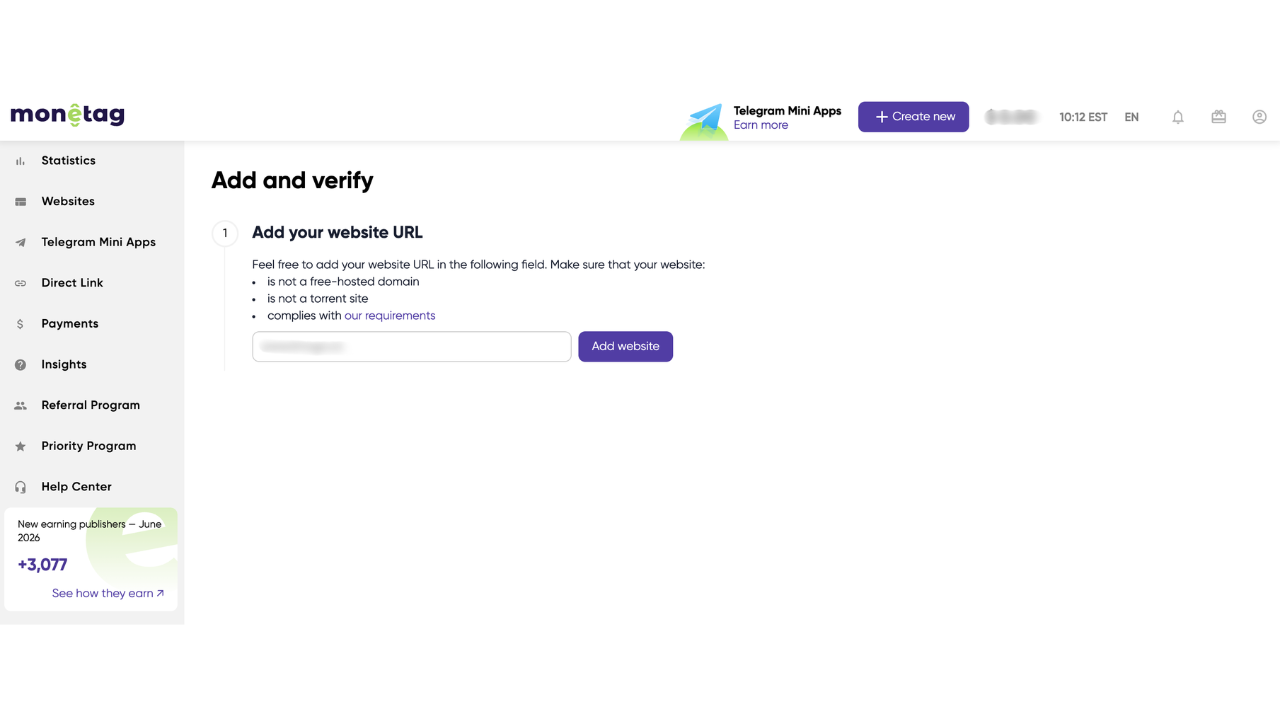
Unlike traditional popunder networks, Monetag does not rely on a single ad format. Publishers can serve multiple monetization units from one platform while allowing the system to optimize which format generates the highest revenue for each visitor.
Ad Formats
Monetag currently provides five advertising formats and MultiTag optimization:
- Popunder (OnClick): The direct replacement for PopAds inventory. The format works similarly to traditional pop traffic and remains one of the highest-volume monetization options.
- Push Notifications: Subscription-based browser notifications available on desktop and Android devices. These work particularly well in finance, utilities, and performance verticals.
- In-Page Push (IPP): Push-style ads displayed directly inside the page. Because IPP does not require browser permissions, it works on iOS and macOS traffic that traditional push and popunder formats often cannot monetize.
- SmartLink: A single monetization link that automatically routes users toward the highest-converting offers based on device, GEO, and behavioral signals.
- Vignette Banner: Full-screen transition ads shown between page views or navigation events. They provide high viewability without disrupting on-page content, making them an effective option for increasing revenue while preserving a smooth user experience.
- MultiTag: A unified implementation that allows all available formats to compete for each impression.
MultiTag: The Key Differentiator
MultiTag is the feature that most clearly separates Monetag from PopAds.
How MultiTag Works
Visitor Arrives
Device?
💻 Desktop
Push
Popunder
📱 Mobile
In-Page Push
SmartLink
Highest CPM Wins
AI selects the most profitable format.
Figure 3. MultiTag evaluates several monetization formats simultaneously instead of assigning every visitor the same ad experience.
Instead of assigning every visitor the same ad format, MultiTag evaluates available monetization options in real time. The system determines whether a specific user is more likely to respond to a popunder, push notification, in-page push, or SmartLink placement.
Based on internal Monetag platform data, publishers switching from a single format to MultiTag have observed eCPM improvements of up to 53%. Results vary depending on GEO, vertical, device mix, and traffic quality, but the underlying principle remains consistent: multiple formats competing for the same visitor create more revenue opportunities than a single format alone.
In our observations, publishers with mixed traffic sources often benefit the most. Desktop users may respond to popunder inventory, while mobile visitors generate stronger performance through in-page push placements.
CPM benchmarks by GEO tier (Monetag figures):
| GEO Tier | CPM Range |
|---|---|
| Tier 1 (US, UK, AU, CA, DE) | $4.00 to $8.00 |
| Tier 2 (BR, PL, MX, ZA) | $1.00 to $2.00 |
| Tier 3 (IN, ID, NG, BD) | $0.50 to $1.00 |
Note: Actual CPMs depend on vertical, traffic quality, seasonality, and advertiser demand. Monetag-specific performance figures are based on aggregated internal platform data. Individual publisher results may vary.
Payment Terms
- Minimum payout: $5
- Revenue share: 90%+
- Payment methods: PayPal, Skrill, Payoneer, WebMoney, Wire Transfer
- Account approval: typically 8–24 hours (sometimes even within a few hours)
- Minimum traffic requirement: none
Publishers can start monetizing relatively small websites without waiting to meet traffic thresholds that some competing networks require.
AdSense Compatibility
OnClick and In-Page Push formats can operate alongside Google AdSense under standard placement guidelines. Publishers should always review their specific implementation to ensure compliance with current AdSense policies.
Who It’s Best For
Monetag works particularly well for publishers with mixed GEO traffic, significant mobile audiences, Tier 2 and Tier 3 visitors, or websites that want to increase revenue without manually testing multiple formats.
#2 Adsterra
Adsterra is one of the largest multi-format advertising networks currently available to publishers. The company serves more than 30 billion monthly ad impressions across 248 GEOs and works with over 35,000 direct publishers.
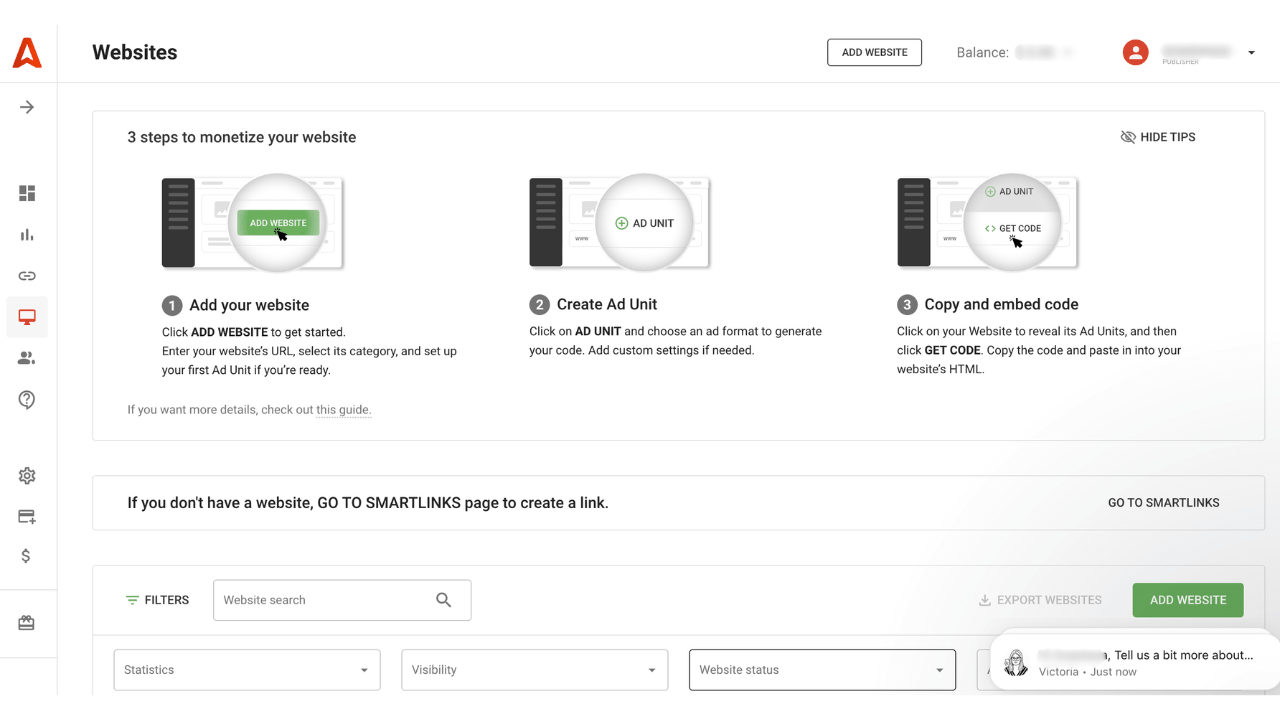
The platform offers several formats, including popunder, Social Bar, push notifications, and native advertising. Social Bar units have become one of Adsterra’s better-known products because they provide alternative engagement formats beyond traditional display advertising.
Adsterra maintains a strong anti-fraud infrastructure and applies multiple traffic quality controls throughout its inventory. The network also offers a relatively accessible minimum payout of $5, making it suitable for both smaller and larger publishers.
Tier 1 popunder CPMs generally fall within the $3–$5 range, depending on traffic quality and vertical.
For publishers who want multiple formats but still rely heavily on pop traffic, Adsterra remains one of the strongest alternatives available.
#3 RichAds
RichAds focuses heavily on performance advertising. The platform operates in more than 200 GEOs and uses AdScore verification together with AI-powered whitelists to optimize traffic quality.
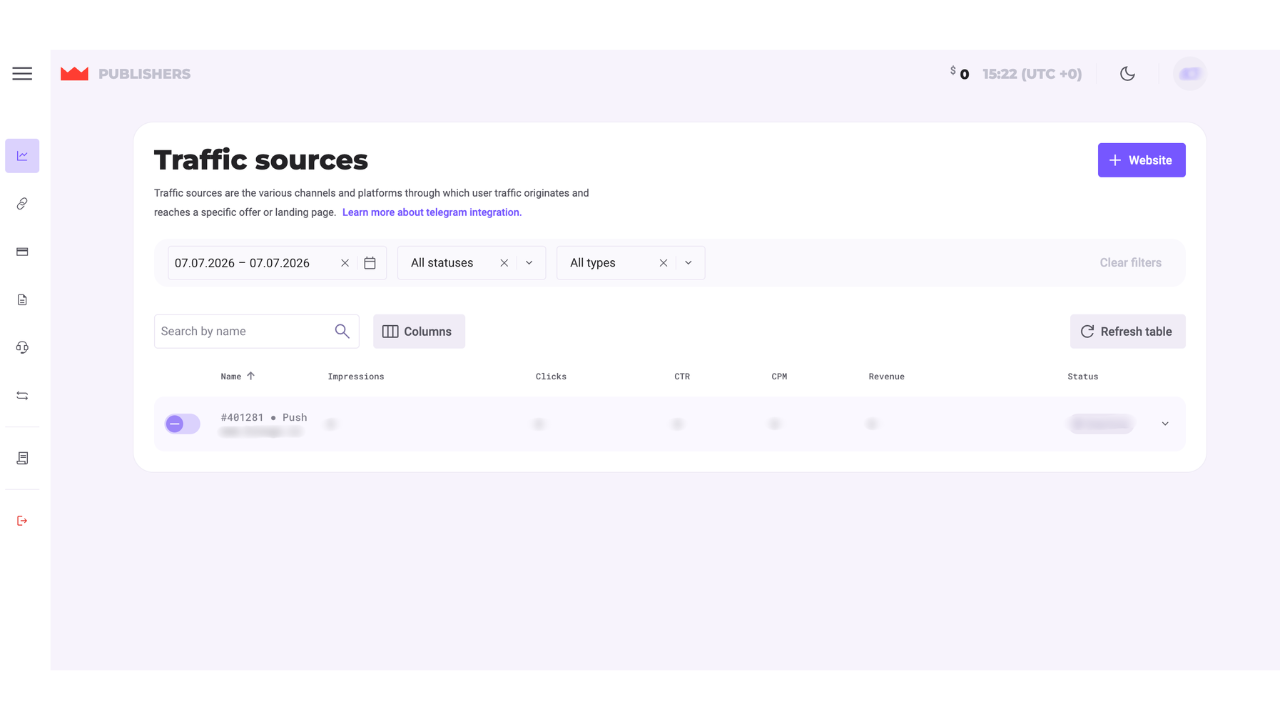
Available formats include:
- Push notifications
- Pop traffic
- Domain redirect
- Native advertising
RichAds is particularly popular among affiliate marketers, performance campaigns, and iGaming traffic buyers because of its optimization tools and traffic filtering capabilities.
The platform requires a higher minimum payout threshold of $50, which may make it less attractive for smaller publishers. However, larger websites generating consistent volumes may appreciate the additional optimization controls.
Tier 1 pop CPMs generally range between $2 and $4.
#4 AdMaven
AdMaven offers multiple monetization formats, including popunder, push notifications, and banner ads. The platform is particularly well known within affiliate and webmaster communities because of its support for alternative payment methods, including cryptocurrency payouts.
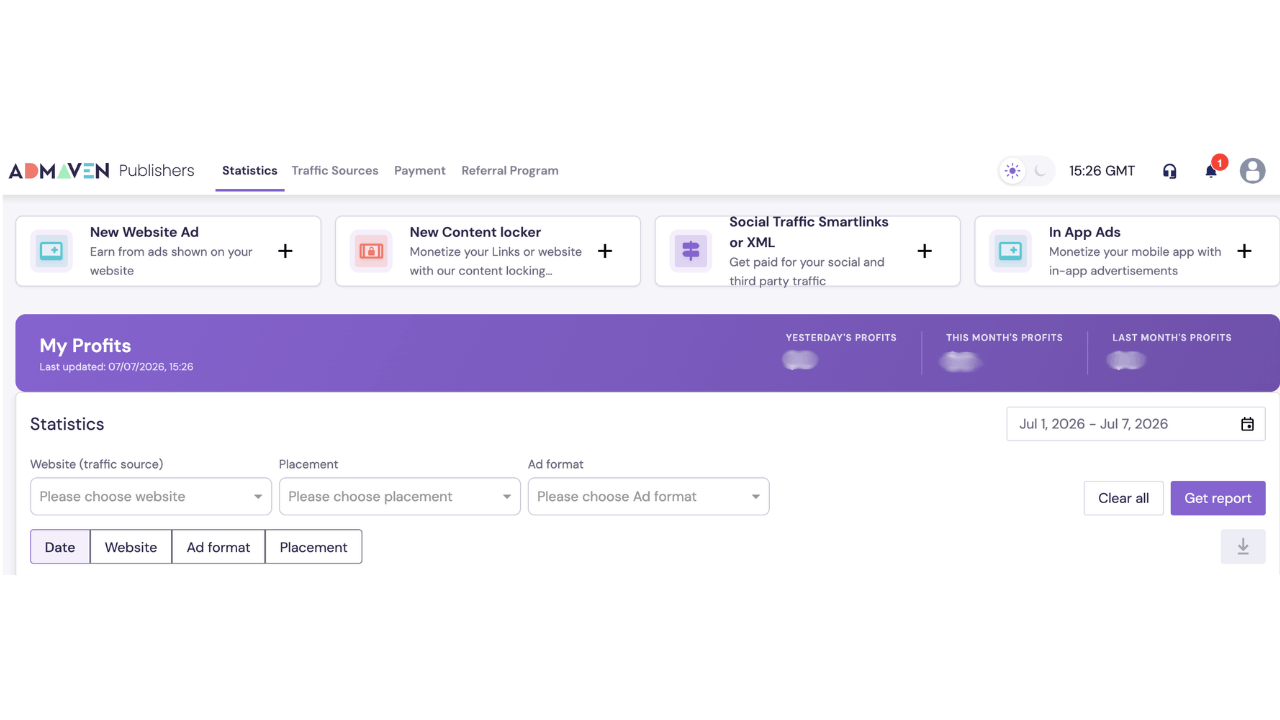
Minimum payouts begin at $50, positioning the network toward publishers already generating stable traffic volumes. Tier 1 popunder CPMs usually range from $2 to $4 depending on traffic quality and vertical.
For publishers whose monetization strategy remains heavily focused on pop traffic but who want additional payment flexibility, AdMaven remains a practical option.
Network comparison
| Network | Ad Formats | Min. Payout | CPM Tier 1 | AI Optimization | Best For |
|---|---|---|---|---|---|
| Monetag | Pop, Push, IPP, SmartLink + MultiTag | $5 | $4 to $8 | Yes (MultiTag) | All publishers, all GEOs |
| Adsterra | Pop, Social Bar, native, push | $5 | $3 to $5 | Partial | Multi-format publishers |
| RichAds | Push, pop, domain, native | $50 | $2 to $4 | Yes (AI whitelist) | Affiliates, performance |
| AdMaven | Pop, push, banners | $50 | $2 to $4 | Partial | Pop-heavy sites |
| PopAds | Popunder only | $5 | $2 to $3 | No | Volume campaigns, simple setup |
Note: Platform features, payout terms, minimum withdrawal amounts, and supported ad formats are based on publicly available information from each provider’s official website at the time of writing (July 2026). Features and requirements may change over time.

Not Every Alternative Fits Every Publisher
Choose a PopAds alternative based on ad format diversity, traffic tier compatibility, payout frequency, AI optimization, and AdSense compatibility.
Different networks perform well under different conditions. A platform that delivers strong results for Tier 1 desktop traffic may not perform equally well for mobile users in Tier 3 GEOs. Understanding these differences can help publishers avoid unnecessary testing and revenue losses.
1. Traffic tier match
Traffic quality and advertiser demand vary significantly by GEO. Tier 1 countries such as the United States (US), United Kingdom (GB), Canada (CA), Australia (AU), and Germany (DE) generally produce the highest CPMs, while Tier 2 and Tier 3 regions often depend on different advertiser demand pools.
Some networks have particularly strong demand in specific regions. Publishers with large audiences in Southeast Asia (SEA), Latin America (LATAM), or the Middle East and Africa (MEA) should evaluate how well a platform monetizes those GEOs before making a switch.
2. Ad Format diversity
One ad format usually means one revenue opportunity. Multiple formats create multiple opportunities to monetize the same visitor.
Popunder traffic remains effective, but not every visitor responds to the same ad unit. Push notifications, in-page push, and SmartLink formats can monetize users who ignore or cannot receive traditional popunder ads. Publishers with large mobile or iOS audiences often benefit most from additional formats.
3. Minimum payout and payment methods
Payout conditions directly affect publisher cash flow. A $50 minimum threshold can require smaller websites to wait several months before receiving payments.
Networks offering $5 minimum payouts and multiple payment methods provide greater flexibility, especially for growing publishers that are still building traffic volumes.
4. AI optimization
Manual testing requires time, traffic, and constant adjustments. AI optimization systems can automatically determine which ad format generates the highest revenue for a particular visitor.
Solutions such as MultiTag reduce the need for ongoing experimentation by treating format selection as a live optimization process rather than a one-time decision.
5. Compatibility With Other Networks
Many publishers run multiple monetization solutions simultaneously, including Google AdSense, affiliate offers, and direct advertising deals. Before adding a new network, verify which formats can operate alongside existing monetization methods. Proper implementation helps avoid policy issues while maximizing overall revenue.
Tip from Monetag: If you’re unsure where to start, Monetag’s MultiTag lets you test all available formats simultaneously with zero manual setup (and you can sign up for FREE!).
Comparing PopAds and Monetag in Practice
Monetag outperforms PopAds in format variety (5 vs.1), AI optimization (MultiTag), and Tier 1 CPM rates, while PopAds remains simpler for pure popunder campaigns.
Both platforms target publishers looking to monetize website traffic, but they approach that goal differently. PopAds focuses exclusively on popunder advertising, while Monetag combines multiple formats with automated optimization tools.
| Feature | PopAds | Monetag |
|---|---|---|
| Ad formats | Popunder only | 4 formats + MultiTag |
| AI optimization | None | Yes (MultiTag) |
| Tier 1 CPM | $2 to $3 | $4 to $8 |
| Minimum payout | $5 | $5 |
| Revenue share | Not publicly disclosed | 90%+ |
| Minimum traffic requirement | None | None |
| iOS monetization | No | Yes (In-Page Push) |
| Account approval | Fast | Few hours to 24 hours |
| AdSense compatibility | Limited | Supported with compatible formats |
Note: Platform features, payout terms, and supported ad formats are based on each provider’s publicly available documentation at the time of writing and may change over time.
The practical difference comes down to monetization strategy.
PopAds remains a solid option for publishers running high volumes of desktop traffic who want a simple setup, daily payouts, and a dedicated popunder solution. For websites that rely entirely on onclick advertising, the platform may provide everything they need.
Monetag becomes more attractive when publishers want to monetize multiple audience segments simultaneously. Mobile visitors, iOS users, push subscribers, and mixed GEO traffic can all benefit from additional formats and AI-driven optimization.
PopAds vs Monetag at a Glance
PopAds
- ✅ Popunder only
- ✅ Daily payouts
- ✅ Fast setup
- ⚠ One format
- ⚠ No AI optimization
- ⚠ Limited iOS monetization
MULTITAG
Monetag
- ✅ Multiple formats
- ✅ MultiTag optimization
- ✅ iOS monetization
- ✅ Higher Tier 1 CPMs
- ✅ Same $5 payout threshold
Bottom Line
One network monetizes clicks.
The other monetizes audiences.
Figure 4. A high-level comparison of PopAds’ single-format approach and Monetag’s multi-format monetization model.
For publishers focused solely on popunder campaigns, PopAds may be sufficient. For publishers looking to maximize revenue per visitor, Monetag generally offers more opportunities for growth.
Frequently Asked Questions (FAQs)
Is PopAds still worth using in 2026?
Yes. PopAds remains a reliable option if your strategy revolves around popunder traffic and you value a simple setup with low payout thresholds. The main limitation is that it monetizes only one format, which may leave part of your audience untapped.
Why are publishers switching from PopAds?
Most publishers aren’t leaving because PopAds stopped working, but because they’re looking for more monetization opportunities. Multi-format platforms can generate revenue from visitors who wouldn’t engage with a popunder alone.
Can I switch from PopAds without replacing my entire monetization setup?
Usually, yes. Many publishers test another network on a portion of their traffic before making a full migration. This allows them to compare eCPM, fill rate, and overall revenue under similar conditions.
Which PopAds alternative works best for mobile traffic?
If mobile traffic makes up a large share of your audience, platforms offering In-Page Push, SmartLinks, or similar mobile-friendly formats generally provide more monetization opportunities than popunder-only networks.
Does PopAds work on iOS devices?
Popunder ads have limited effectiveness on iOS because of browser restrictions. Publishers with a significant Apple audience often rely on additional formats, such as In-Page Push, to monetize that traffic.
What’s the biggest advantage of using multiple ad formats?
Different visitors respond to different ad experiences. Showing only popunders means missing users who might engage better with push notifications, SmartLinks, or in-page formats.
Do I need a high-traffic website to use Monetag?
No. Unlike some monetization platforms, Monetag doesn’t require a minimum traffic threshold, making it suitable for both growing and established publishers.
Should I choose the network with the highest CPM?
Not necessarily. A higher advertised CPM doesn’t always translate into higher total earnings. Traffic quality, GEO mix, fill rate, and available ad formats often have a much greater impact on long-term revenue.
Wrapping Up
PopAds remains a reliable solution for publishers who want straightforward popunder monetization, low payout thresholds, and a simple setup process. For websites that depend primarily on desktop pop traffic, it can still be an effective option.
The challenge is that publisher monetization has become more complex. Mobile traffic, iOS users, changing browser policies, and varying user behavior mean that relying on a single ad format may leave part of your audience unmonetized.
Platforms that combine multiple formats with automated optimization increasingly provide publishers with more opportunities to improve eCPM and revenue per visitor. Monetag stands out because it combines popunder traffic with Push, In-Page Push, SmartLink, and MultiTag optimization, allowing different audience segments to generate revenue in different ways.
Ready to go beyond popunder-only?
Join Monetag for free and start monetizing all your traffic, and not just popunder clicks. With MultiTag, you can run multiple formats simultaneously and let AI optimize revenue for every visitor!