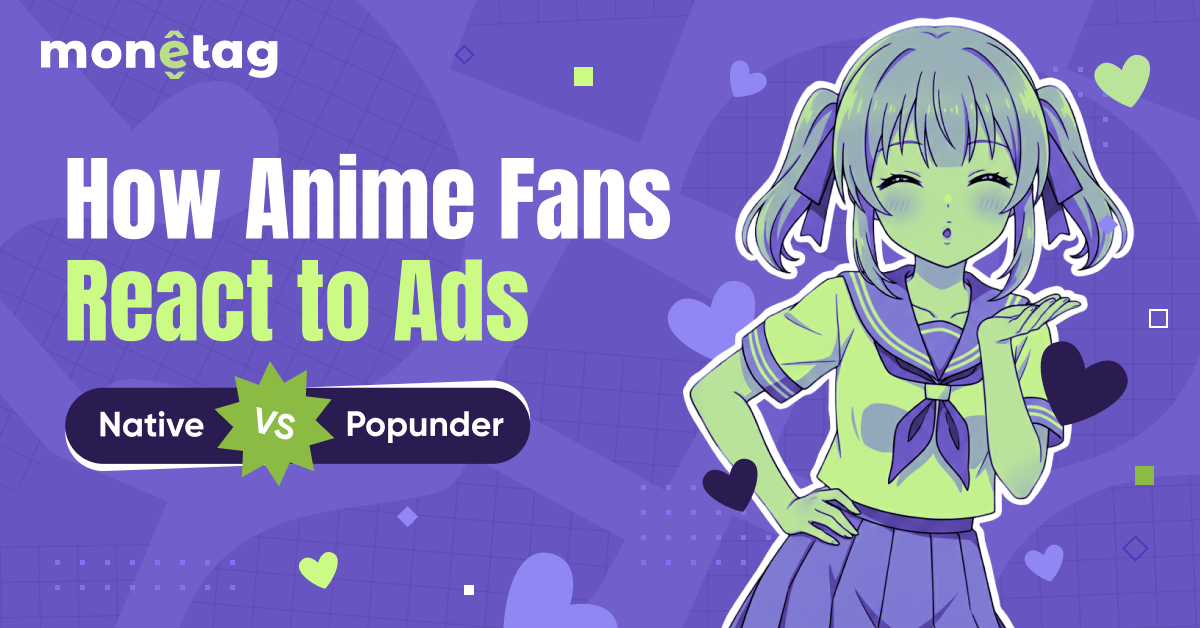
Curiosity Clicks: How Anime Fans React to Anime Native Ads vs Anime Popunder Ads

To begin, let’s picture a typical anime fan’s evening: they’re scrolling through fan theories, checking character power rankings, and hunting for new series to binge. In the middle of all that, your website appears – and now it’s your turn to decide whether to show anime native ads, anime popunder ads, or a mix. This is exactly where curiosity clicks can either become your best friend or your biggest headache.
At the same time, anime audiences are not your average “general” users – they’re passionate, internet-native, and very good at spotting when something feels off, which means the way they react to different ad formats can be very different from mainstream traffic and that’s why it makes sense to look at them almost like a separate behavioral study.
Contents
Why Anime Fans Are a Special Case for Anime Native Ads & Anime Popunder Ads
To set the stage, it helps to remember that anime has gone from niche to global mainstream, with fans who are used to digital platforms, fan art, memes, and constant interaction with content. That’s why anime visitors tend to skim fast, click fast, and obsess deeply over what really hooks them – and that behavior shapes how they respond to anime native ads and anime popunder ads.
To connect this to monetization, these users often don’t mind ads as long as they feel relevant, stylish, and not overly disruptive to the story or content they’re consuming, which is exactly why formats that blend in – or appear at the right moment – can turn passive scrolling into surprisingly high-converting curiosity clicks.
Anime Native Ads: The “Feels Canon” Experience
To start with anime native ads, think of them as sponsored elements that feel like they belong in the universe your users already love: recommendation blocks styled like your site, “Top isekai games you might like” widgets, or content cards using anime-inspired creatives. Because they visually fit, anime fans tend to treat them less like ads and more like extra content they can explore.
To make that more practical, anime native ads usually shine in three key situations:
- When your pages are long-form (episode guides, character breakdowns, “watch order” articles).
- When your traffic is mobile-heavy, and users are used to scrolling.
- When you promote related offers like games, streaming trials, or merch.
To close this section, anime native ads work best when they respect the lore and aesthetics of your niche – the more they “feel canon” and match your page layout, the more likely anime fans are to click out of genuine curiosity instead of by accident.
Anime Popunder Ads: The Side Quest Clicks
To move over to anime Popunder ads, imagine a user finishes reading about the latest season, clicks somewhere, and a new tab quietly opens in the background with an offer – that’s your side quest. Anime Popunder ads don’t fight for attention immediately; instead, they wait for the user to switch tabs, often catching them at a more relaxed moment.
To understand why this matters, you need to remember that anime fans often multitask across tabs: streaming, reading, chatting, and gaming at the same time.
Anime popunder ads can convert well with this audience because they become just another “tab to explore” when the main task is done, which can lead to more patient and focused interaction than a loud, in-your-face format.
To round this out, anime Popunder ads are especially strong when your anime traffic is high-volume and global, because every interaction has the potential to trigger a new monetized session, turning casual clicks into a surprisingly stable revenue stream even if not every user stays long.
What is more, Monetag has native-like formats in addition to Popunder (Onclick): Vignette banner and In-Page Push. Test them all to see which combination fits your particular website!
A Behavioral Mini Study: Native vs Popunder on Anime Traffic
To make this more concrete, let’s imagine a behavioral mini-study on an anime-focused site using Monetag. To set things up, say you split your traffic: half of your users see anime native ads blended into articles and recommendation blocks, while the other half trigger anime Popunder ads on specific interactions like closing a page or clicking certain elements.
To walk through the hypothetical results, here’s what you might notice over a few weeks:
- Anime native ads can drive high CTR from users who read more than one page, especially on long guides and editorial content, which suggests that engaged fans treat them as part of their content discovery flow.
- Anime Popunder ads (we mean, Monetag’s Popunder, of course!) have a potential to generate significant revenue per 1,000 sessions, especially on traffic from related pages with, say, fan/cosplay tutorial content, which indicates that “task-driven” users still explore extra tabs once they’re done.
- Some regions with cheaper devices or weaker connections respond well to lighter native setups, while others with strong broadband are more tolerant of Popunders, which shows that environment is a big part of behavior.
To conclude this small analysis, the key insight is that anime native ads often win on user love and subtlety, while anime Popunder ads often win on volume and further monetization, which is exactly why most anime publishers end up using both – just with different weights and triggers.
How to Combine Anime Native Ads & Anime Popunder Ads Without Killing UX
To move from theory to strategy, the real magic for Monetag users usually happens when you combine formats instead of picking a single winner. Anime native ads can cover the “immersive” journeys, while anime popunder ads can quietly monetize exits, bounces, or one-page visitors who would otherwise leave without giving you any earnings at all.
To keep things balanced and user-friendly, many publishers follow a simple logic:
- Use anime native ads on story-heavy, community-focused, or SEO article pages.
- Trigger anime Popunder ads on specific high-bounce actions (like exit, close, or first click).
- Test frequency and timing so that users don’t feel overwhelmed, especially on mobile.
To wrap up this part, the goal isn’t to push every possible format at once, but to pair anime native ads and anime Popunder ads in a way that feels natural to your audience, turning curiosity into revenue while still letting fans enjoy the content that brought them to you in the first place.
Using Monetag to Experiment With Anime Ad Behavior
To bring everything closer to your day-to-day work, Monetag can act as your “lab” for testing anime ad behavior without building everything from scratch. Say, if you already have some native ads on your website, you can add a controlled anime Popunder ads campaign on top of your existing monetization setup.
To make these experiments meaningful, you can compare metrics like RPM, CTR, and average session duration before and after adding each format, and then segment by page type or traffic source, which will show you where anime native ads belong and where anime Popunder ads complement them and perform better.
To end our article on a practical note, the anime audience is passionate, curious, and constantly clicking, which makes them perfect for smart monetization – as long as you respect their experience. If you treat every new placement as a small behavioral test, Monetag can help you turn those curiosity clicks into a reliable income stream, letting your anime traffic pay you back while fans enjoy the worlds they love.