

Partly. On a free WordPress.com plan, you can use affiliate links within WordPress.com’s rules, but you can’t install plugins, add third-party ad code, or use WordAds. Those need a paid plan: plugins and header code start with Personal, and WordAds starts with Premium. The free WordPress software is a different thing: you can install it on your own hosting and use the tools your host and ad networks allow.
How to Monetize a WordPress Website
This post is also available in:
 Pt
Pt  Es
Es
You can monetize a WordPress website with ads, with your own offers such as products, courses, or sponsored posts, and with paid access like memberships. Which tools you can use depends on where your site is hosted, which plan you’re on, and the rules of each service. This guide explains the difference between WordPress.com and self-hosted WordPress, the main ways to earn money from a WordPress website, and how to add Monetag ads with the official plugin.
TL;DR
- You can earn from a WordPress website through ads, affiliate and CPA offers, your own products and courses, sponsored posts, and paid memberships.
- Self-hosted WordPress lets you install any plugin or ad code your host and ad networks allow.
- On WordPress.com, the free plan allows affiliate links within its rules; plugins and third-party ad code need a paid plan, and WordAds starts at Premium.
- Being able to install a plugin doesn’t mean every ad format will work or that your site will be approved, so check each network’s rules first.
WordPress.com vs Self-Hosted WordPress: What Can You Monetize?
There are two kinds of WordPress, and they don’t offer the same monetization options. The WordPress software is free and open source (WordPress.org), but you need hosting to run it, and hosting usually costs money. WordPress.com is a hosted service built on that software, with a free plan and paid plans that unlock more features.
| Setup | Monetization options | Main limitation |
|---|---|---|
| Self-hosted WordPress | Any ad network, plugins (including the Monetag plugin), WooCommerce, memberships, and affiliate links | You pay for hosting and handle setup, security, and updates yourself |
| Free WordPress.com plan | Affiliate links within WordPress.com’s rules | No plugins, no third-party ad code, and no WordAds |
| Paid WordPress.com plan | Plugins and header code on Personal, Premium, Business, and Commerce plans; WordAds on Premium and above | Your plan and WordPress.com’s terms decide what you can add, and some tools work only on self-hosted WordPress |
On self-hosted WordPress, you manage your own tools, such as plugins, ad code, and payment systems, within the terms of your hosting provider, your ad networks, and your access rights. On WordPress.com, your plan decides what you can add: plugins and custom header code are available on Personal, Premium, Business, and Commerce plans, and WordAds on Premium and above (plugins, header code, WordPress.com monetization, checked October 2026).
Before you monetize either type of site, take care of the basics:
- Find a reliable hosting provider: your web host needs to handle the extra load that ads, a store, or a membership area can bring.
- Build a strong website structure: a well-structured site helps with search rankings and makes it easier to reach your SEO goals.
- Make sure your site is secure and follows local regulations: check the rules in the countries where your audience is, and make sure your site complies with local security, content, and data requirements.
Ways to Monetize a WordPress Website
How to earn money from a WordPress website depends on your content, your audience, and your setup. Below are the main options, each with a first step and its main limitation. For broader tips that apply to any blog, see how to monetize a blog.
Add Monetag Ads to Self-Hosted WordPress
Monetag is an ad network for publishers, and its official WordPress plugin is one of the simplest ways to add ads on a WordPress site. The plugin works on self-hosted WordPress sites only (Monetag Help: plugin installation, checked October 2026).
To set it up:
- Create a Monetag publisher account and add your website.
- In your WordPress admin dashboard, go to Plugins, then Add New.
- Search for “Monetag,” click Install Now, then Activate.
- Click Check verification to link your site with the plugin (Monetag Help: site verification).
- Set up your ad format following Monetag’s instructions.
One option is MultiTag, a single tag that combines several ad formats. It currently includes Onclick (Popunder), Push Notifications, In-Page Push, and Vignette Banner (Monetag Help: MultiTag, checked October 2026). Another is SmartLink, a single link you can place as a button or text link on your site.
First step: add your site to Monetag and install the plugin.
Limitation: installing the plugin doesn’t guarantee approval or a set level of revenue. Results depend on your traffic, and some formats may not be allowed alongside other networks you use.
Use Google AdSense
Perhaps the most famous ad network out there, Google AdSense is the natural monetization choice for most publishers.
Google AdSense is a separate ad program that places Google ads on your pages. To be approved, your content must be original and high-quality, your site must comply with AdSense policies, you must be at least 18, and you need access to your site’s HTML source code (AdSense eligibility requirements, checked October 2026). Signing up isn’t the same as approval: Google reviews your site first.
On self-hosted WordPress, you add the AdSense code to your site yourself or with a plugin. On WordPress.com, you can add third-party ad code such as AdSense to your site’s header on the Personal plan and above. AdSense isn’t the same as WordAds: WordAds is WordPress.com’s own ad program, available on Premium plans and above.
If you want to use AdSense alongside another network, check both networks’ rules and your specific placements first. For example, AdSense doesn’t allow Google ads on sites that contain or trigger pop-unders (AdSense ad placement policies). Don’t switch on every format at once.
First step: check that your site meets the eligibility requirements, then apply.
Limitation: approval isn’t automatic, and your site has to keep following AdSense policies after approval.
Before You Turn On Ads
Whichever ad network you choose, check these things before you go live:
- Open your pages on a phone and make sure ads don’t cover content or break the layout.
- Make sure each ad tag is installed only once, for example not both through a plugin and manually in the theme.
- Read a few of your own pages with ads on and see whether they’re still easy to read.
- Set up the consent and privacy settings required for your visitors’ locations and by your ad networks.
Affiliate Marketing and CPA Offers
With affiliate marketing and CPA (cost per action) offers, you earn a commission when a visitor completes an action that the program defines, such as a purchase, sign-up, or install. Visits or clicks alone usually don’t count. You can join individual affiliate programs, or a CPA network such as Zeydoo that offers many campaigns in one place.
First step: pick offers that match your content and read each program’s terms on which actions count and how they’re confirmed.
Limitation: you earn only on confirmed actions. Disclose affiliate links to your readers. On WordPress.com, affiliate links are allowed within its rules, but sites that exist primarily to drive traffic to affiliate links aren’t (WordPress.com monetization).
Sell Products with WooCommerce
WooCommerce is a free WordPress plugin that turns your site into an online store. You can sell physical goods, digital products, or exclusive merchandise related to your brand.
First step: install WooCommerce, create your product pages, and connect a reliable payment provider. Then decide how you’ll fulfill orders: ship from your own stock, or work with a supplier who ships directly to customers.
Limitation: once your site takes payments, you’re responsible for security, customer support, and refunds. Automating tasks like order confirmation emails helps. On WordPress.com, WooCommerce needs a plan that allows plugins.
Sell Courses and Webinars
If you’re an expert in a topic, you can sell online courses or paid webinars on your WordPress site.
First step: choose a topic your readers already ask about, and use a course or webinar plugin to sell access.
Limitation: courses take time to create, update, and support, and students expect answers to their questions.
Publish Sponsored Content
Brands can pay you to publish content about them, such as sponsored articles, videos, press releases, or business news. Every agreement is different, so agree on the scope, content type, deadlines, and payment with each sponsor. In some cases, you’ll need to create the content yourself.
First step: decide which kinds of sponsored content fit your site and set a clear way for brands to contact you.
Limitation: label sponsored content clearly so readers know it’s paid. On WordPress.com, sites where the vast majority of content is sponsored aren’t allowed (WordPress.com monetization).
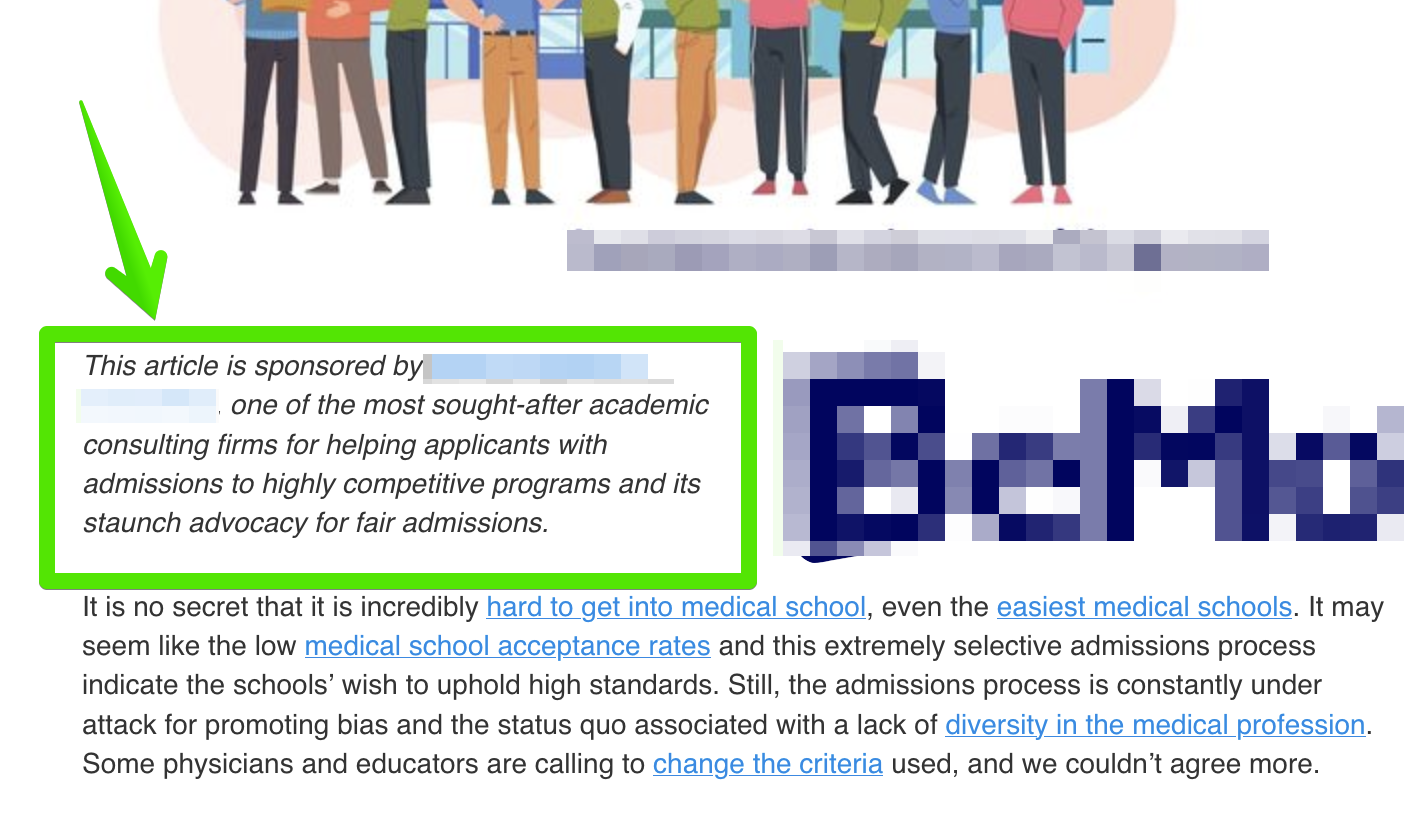
Note: Every agreement with a sponsor is different. You’ll have to negotiate the cost, type of content, and so on with each individual advertiser. In some cases, you may be required to develop the content. So make sure your production process/team is capable and ready to handle the requirements!
Paid Memberships and Communities
You can charge for access to premium posts, a members-only area, or a private forum, for example, a forum with a business directory, reviews, and ratings. Businesses listed in a directory may also pay you under an agreement you negotiate with them.
First step: decide what members get that free visitors don’t, then set up a membership or forum plugin with payments.
Limitation: moving from free to paid content is hard, and a loyal audience doesn’t automatically mean people will pay. A community also needs moderation and regular value to keep members.
Accept Reader Support
You can give readers a way to support your work, for example with a donation button or banner. Explain what the support will pay for and thank the people who contribute.
First step: choose a payment tool that works in your country, and check its terms and fees. On WordPress.com, check which payment and donation features your plan includes.
Limitation: reader support is voluntary and unpredictable, so treat it as extra income, not your main source.
Frequently Asked Questions
On self-hosted WordPress, one option is the official Monetag plugin. Install it from Plugins, then Add New, and follow Monetag’s installation guide. The plugin works only on self-hosted sites. Installing it doesn’t guarantee site approval, compatibility with every setup, or a set level of revenue.
Yes, if you can access your site’s code and meet AdSense requirements, such as original content and policy compliance. On self-hosted WordPress, you can add the code yourself. On WordPress.com, you need a Personal plan or higher to add header code. AdSense isn’t the same as WordAds, which is WordPress.com’s own ad program, and using WordPress doesn’t mean automatic approval.
Choose Your WordPress Monetization Setup
To choose your setup:
- Check what kind of WordPress site you have: self-hosted, free WordPress.com, or a paid WordPress.com plan.
- Pick one main model that fits your content: ads, affiliate offers, products, courses, memberships, or sponsored posts.
- Check its conditions: your plan or host, the network’s or program’s rules, and the payment terms.
To compare WordPress with other kinds of sites, see our guide to website monetization. If you run self-hosted WordPress and want to start with ads, you can sign up for Monetag and install the official plugin.