The Wild East: Why Publishers Are Abandoning the West for Asian Social Apps

The Quiet Shift Publishers Just Can’t Ignore…
Western traffic isn’t exactly disappearing, but if you’ve been working with it long enough, you’ve probably felt it… scaling isn’t what it used to be. It’s becoming harder to grow at the same pace: competition gets tighter, and what worked a few months ago suddenly needs rethinking.
For publishers running sports sites, anime portals, movie fan hubs, or content-driven communities, growth is no longer just about optimizing what you already have. It’s about finding new angles.
And more often than not, those conversations are now pointing toward Asia. Not because it’s “cheaper”, but because it behaves differently.
Spoiler: Asia isn’t a backup; it’s a different system entirely.
Contents
Tier-1 Fatigue: When Scaling Starts to Hurt
There’s a moment every publisher hits.
At some point, the problem is not about “getting traffic” but keeping it profitable. Setups like traffic funnels that used to work well, start needing more budget, but the results don’t grow in the same way. You put in more effort and work, but you don’t always earn more.
One reason is simple: the same users are being targeted again and again. More content creators are competing for the same audience, often with similar content. Over time, it becomes harder to stand out and keep users engaged.
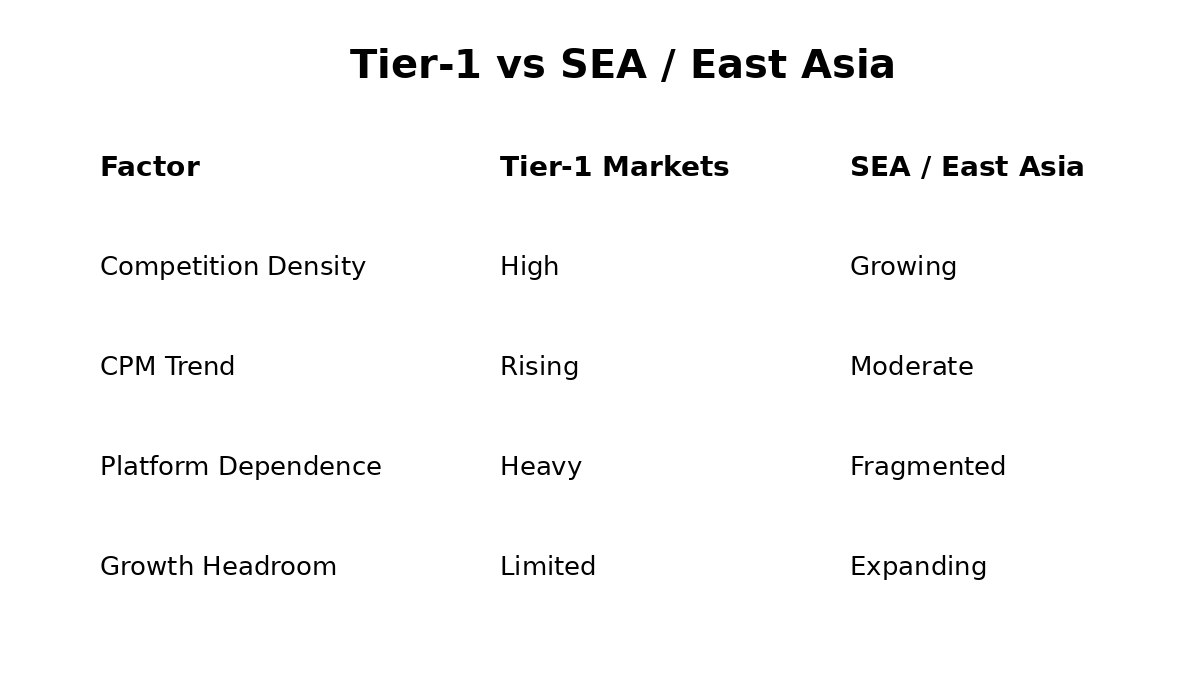
Another issue is dependence. When most of your traffic comes from just a few platforms, even small changes can affect your results. A new rule, an algorithm update, or higher competition can quickly reduce performance.
So the shift we’re seeing is not about leaving Tier-1 behind, but not relying on it too much.
Why Asia Is Suddenly on Every Publisher’s Radar
Asia is not just another traffic source you can add to your current strategy; it works in a different way. Social platforms there behave differently from what most publishers are used to.
According to DataReportal (2025), the average user spends around 2 hours and 20 minutes per day on social media, often switching between platforms within the same session. On Western platforms, this usually results in session-based behavior: users come, consume content, and leave.

In many Asian markets, though, the structure is different. Messaging apps are not just an additional layer; they are central to how users interact with content.
According to Statista, Asia represents the largest share of global social media users, with messaging apps playing a central role in daily communication. China alone was home to over 1.18 billion social media users in 2025, making it the country with the largest digital audience.
Apps like Douyin or LINE function as full ecosystems, where users move between content, communication, and services without leaving the app. As highlighted in industry research on OTT messaging in Asia, these platforms have evolved into “all-in-one” environments, where messaging is not just a feature but the main entry point to content and interaction.
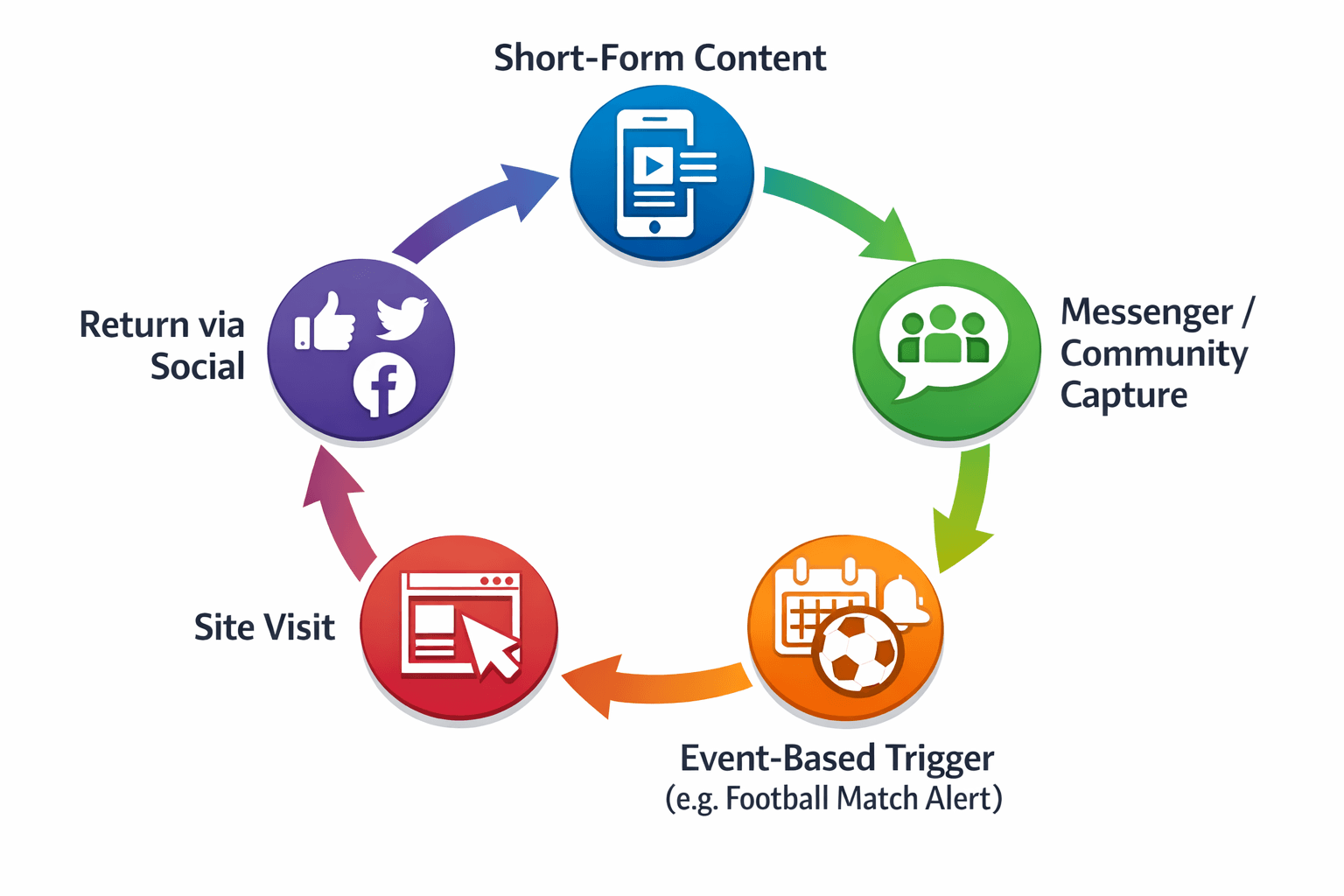
This changes how traffic works.
Instead of focusing on one-time clicks, publishers start noticing something else – users return when there is a reason.
For example:
- A match is about to start
- A new episode is released
- Important news just dropped
This is very different from how traffic usually works in Western platforms.
There, the flow is often simple:
- User sees content
- User clicks
- User leaves
In Asian social ecosystems, the process is longer:
- User discovers content
- User joins a community
- User receives updates
- (and only then) User returns to click
In this case, traffic is not only about getting those users once. It’s about bringing them back at the right moment when they are ready to deposit. Once publishers understand this, their whole approach starts to change.
The Social Apps Getting All the Attention
This shift is not random. Publishers are testing the same few platforms all over again – not because they are new, but because they work in a different way.
Let’s break down a couple of the hottest ones below:
TikTok / Douyin
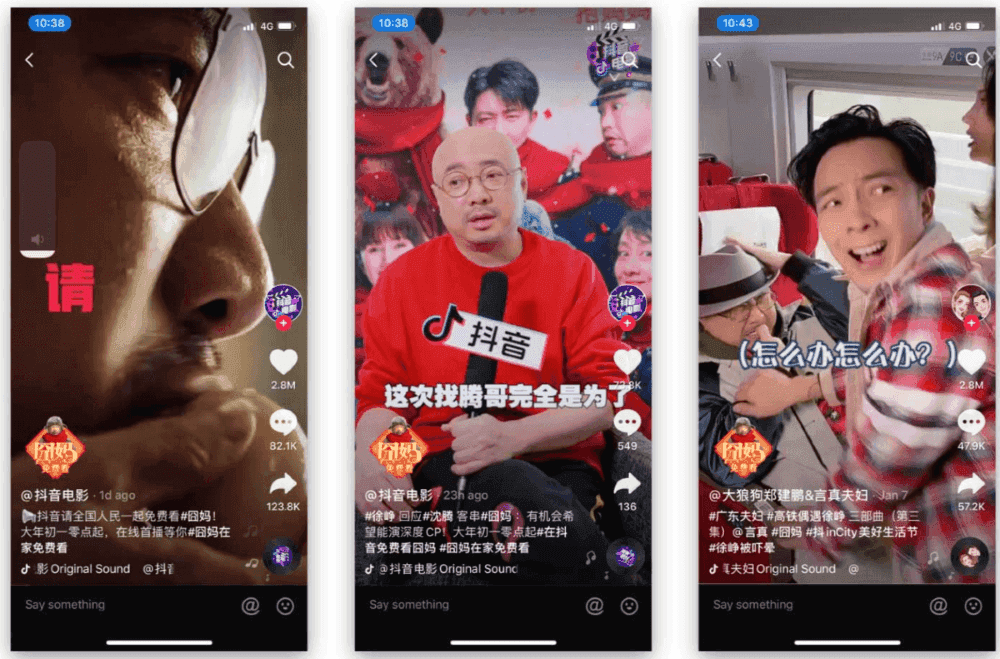
For most publishers, this is where everything begins. TikTok (and Douyin in China) is about getting traffic and scaling by grabbing the users’ attention. This is where the audience first discovers your content (often without even looking for it).
If something clicks, they follow, save, or move to the next step.
What tends to work here is simple and fast content. Think of things people can understand in a few seconds:
- Sports highlights and key moments
- Anime edits or character clips
- Short movie scenes or reactions
The challenge is that you don’t control the traffic. One video can perform very well, and the next one might not. Also, sending users directly to your site is not always easy. So TikTok is best used as a starting point, not the whole strategy.

LINE
Once you get attention, the next step is keeping it.
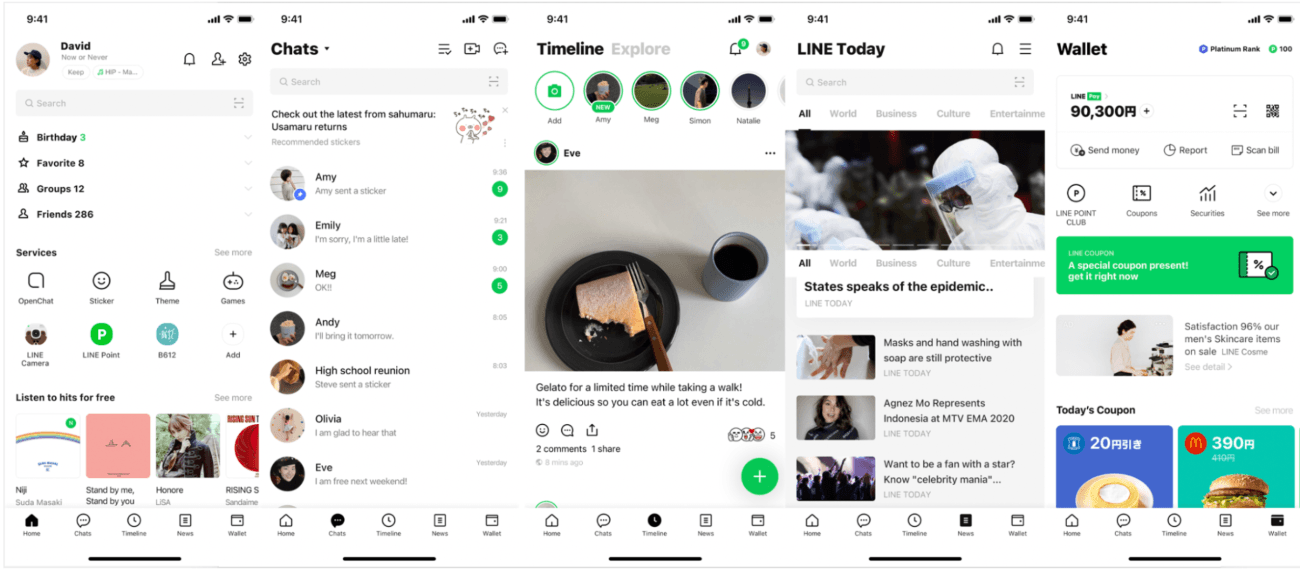
This is where LINE steps in. In countries like Japan and Thailand, it works more like a direct communication channel than a social platform. Publishers use it to stay in touch with users.
Instead of posting content and hoping people come back, you can simply send them a message at the right moment.

For example:
- A match is about to start
- A new episode is out
- Breaking news just happened
These small updates bring users back much more reliably. The main challenge here is building the audience in the first place. Users need to join your channel, and if you send too many messages, they can leave.
So LINE works well (but only if you use it carefully).

How publishers actually use it:
- Send 1-3 key updates per day (not more)
- Focus on events (matches, releases, breaking news)
- Avoid “spam-style” messaging because users unsubscribe quickly
Zalo (Vietnam)
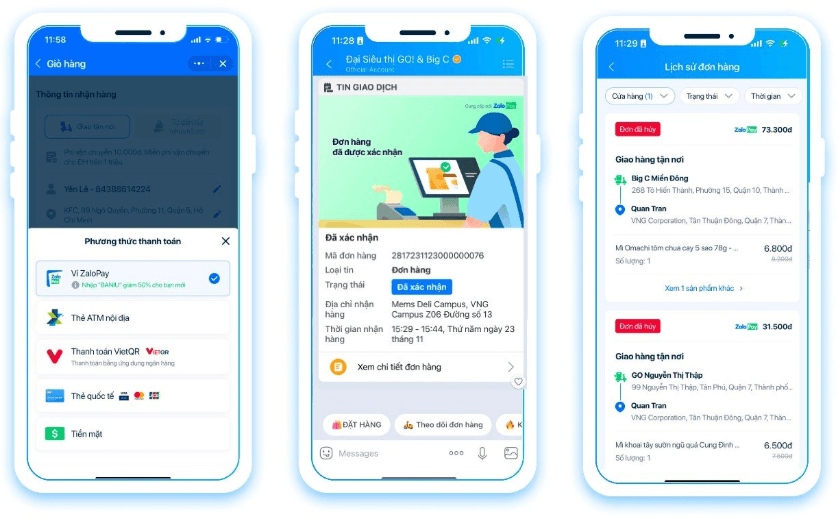
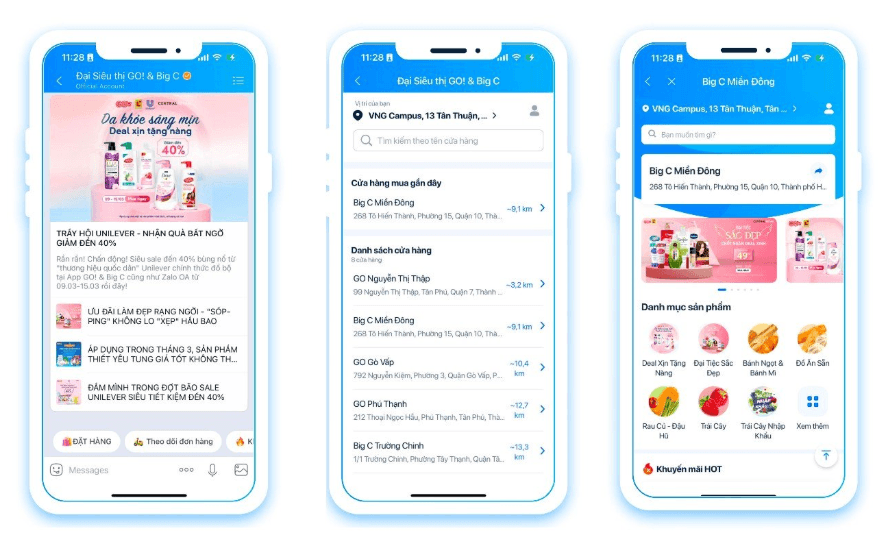
Zalo works in a slightly different way. It’s more personal. People use it for communication, so traffic here often feels more direct and more “human.”

Instead of just clicking links, users may interact first.
For publishers, this means:
- Building small communities
- Sending direct messages
- Creating simple conversations
This works especially well in Vietnam, where users are comfortable with chat-based interaction. The downside is that it’s not as easy to scale quickly. You need to understand local behavior, and moderation can be strict (but when it works, the engagement can be very strong).

For publishers, the best approach is to:
- Start with small groups instead of scaling too fast
- Keep communication simple and natural
- Treat it more like a chat than a content feed
Xiaohongshu (Little Red Book)
Xiaohongshu works differently from the other platforms. Here, users don’t come for quick clicks but rather come to explore and discover. Content looks less like promotion and more like personal recommendations. Instead of pushing users to click immediately, you build interest over time.

Posts often feel like reviews, guides, or “found this and liked it” type of content. Users scroll, save, and come back later. The decision to click usually doesn’t happen instantly (but only after trust is built).
This means traffic is slower, but more intentional.
This works well for:
- Movie-related content (reviews, explanations)
- Anime aesthetics and collections
- Lifestyle-style posts
The idea is simple:
First, spark the users’ interest, then get traffic.

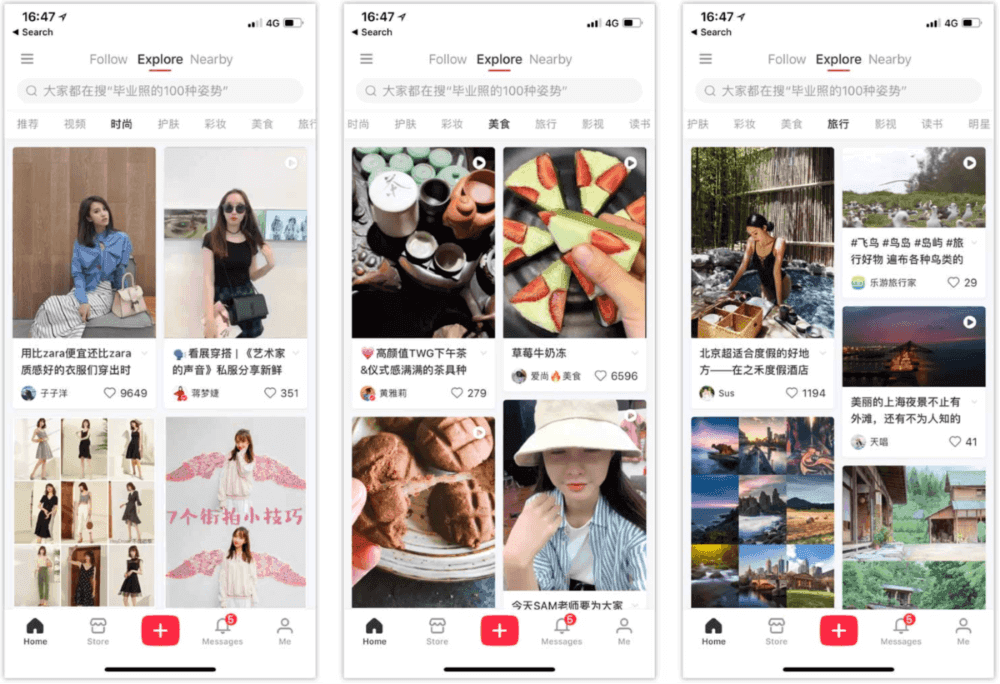
Important to know if you consider penetrating this app:
- Direct links don’t always work well
- Content needs to feel native (reviews, personal tone)
- English content performs weaker without adaptation
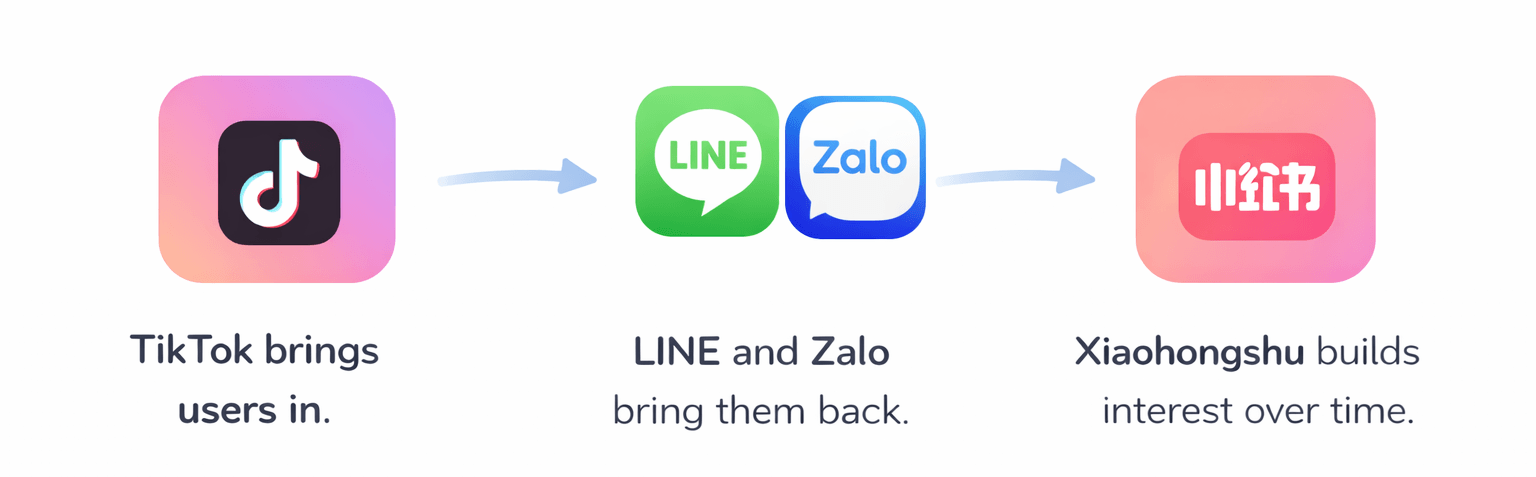
Localization: Can You Just Enter Asian Social Platforms?
One important question publishers often ask is whether they can use these platforms with their existing content. In most cases, full localization is not required to start, but some level of adaptation is in any case necessary.
For example:
English content can still work in niches like sports, anime, or global trends. However, adding local language elements (captions, comments, subtitles) significantly improves engagement. In messaging apps (like LINE or Zalo), communication is expected to feel more personal, which can be difficult if you don’t speak the language.
In practice, many publishers start with simple adaptations (e.g., short translated captions, localized hooks, or community moderation in the local language) and fully localize only once they see results with the potential to scale further.
Case Study: A Sports Site
- Publisher Type: Sports streaming site based in Poland
- GEO: Tier 1 (mainly USA and Canada) to Tier 3: Indonesia, Vietnam, Thailand
- Traffic Source: Search then TikTok then LINE & Zalo
What Worked:
- Short match clips on TikTok that smoothly move users into LINE and Zalo.
- Sending event-based alerts (match start, live, second half) brought users back just at the right moment.
- Traffic became tied to match timing, which increased repeat visits and session activity.
What Failed:
- Direct linking from TikTok to the site (most users did not stay, with bounce rates reaching 70%).
- Using Tier-1 content style without localization.
- No community layer (LINE / Zalo), which resulted in traffic dropping after the first visit.
Monetization Impact:
Revenue per user was lower than in Tier-1, but the higher traffic volume helped balance it out. Within the first couple of months, daily traffic grew by around 55%, especially during match days, where peaks became more consistent. With a flexible setup (like Monetag), the team was able to handle these traffic spikes without issues and monetize mostly mobile users more efficiently.
What this shows is simple…The shift was not about switching GEOs, but about changing the funnel. Once the publisher added a community layer and timed their traffic around events, performance became more stable and predictable.
From Testing Traffic to Real Revenue
Asian social traffic behaves a bit differently from what many publishers are used to.
First, it’s mostly mobile. Second, it often comes in waves (i.e., around events like matches, episode releases, or trending topics. And third, it’s strongly connected to communities.
This changes how you should think about monetization of your traffic. Instead of focusing only on single visits, it’s more about how users come back again and again.
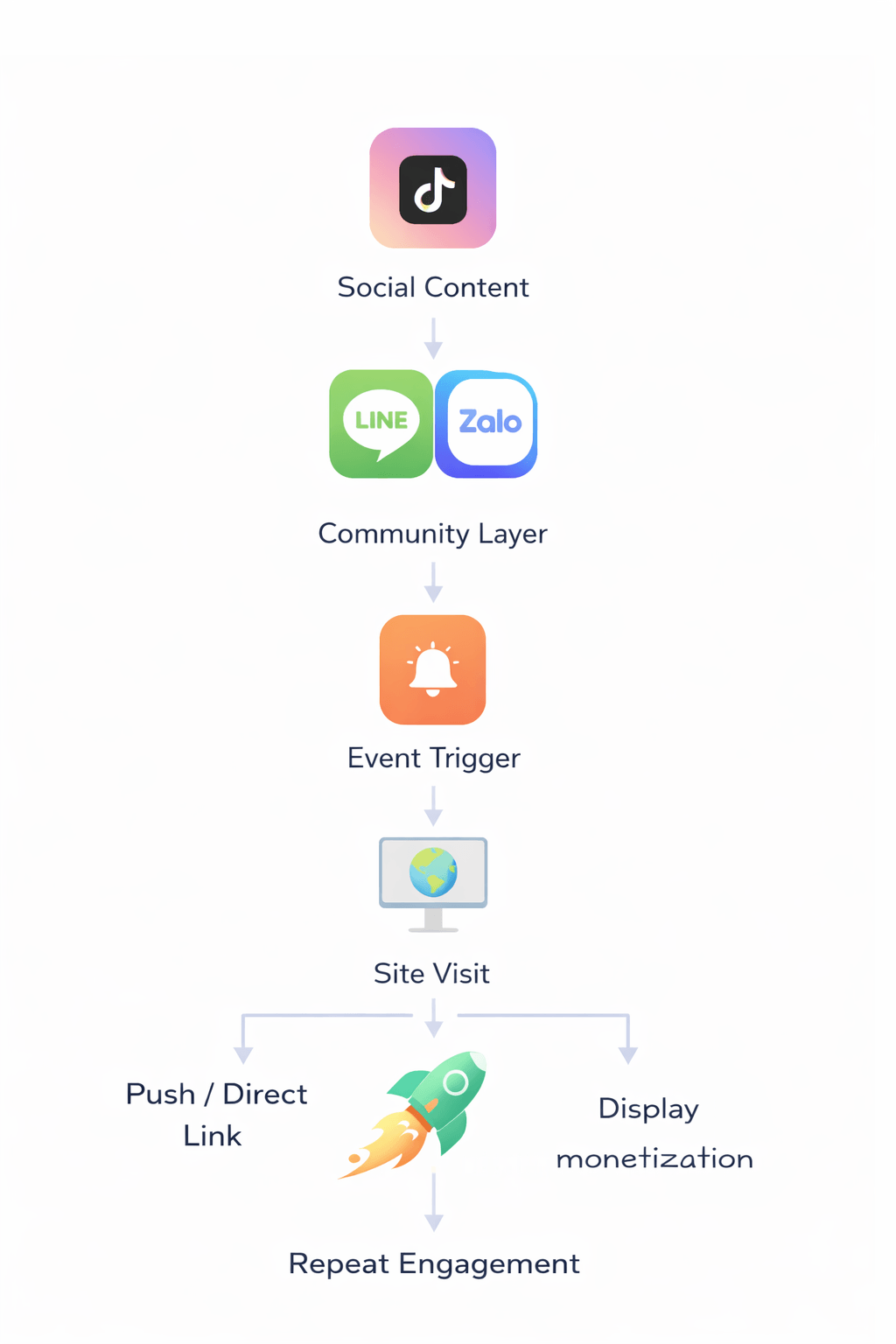
This is where flexibility becomes important, as this kind of traffic doesn’t behave in a stable, predictable way. It comes from different GEOs, often on mobile, and usually in waves. So instead of constantly adjusting your setup, it helps to have a system that can handle these changes on its own.

In practice, it means you need a setup that doesn’t break every time something changes. You want to be able to work with different GEOs, handle traffic spikes calmly, and adapt to how users actually behave.
Solutions like Monetag fit into this quite naturally. Some publishers keep it simple and use Smartlinks (Direct Links) to start monetizing right away. They work by automatically sending each user to the most relevant offer based on their GEO, device, and behavior. Instead of choosing ads manually, the system matches traffic with the best-performing option to maximize revenue.
Other publishers combine formats like push or pop – especially during high-traffic moments like matches or new releases. We allow our partners to manage different types of traffic in one place and use multiple formats depending on the situation. So rather than relying on one fixed model, you get something more flexible.
Verdict: Diversification Isn’t Optional… Anymore
So why Asia?
Because it gives publishers something that is becoming harder to find in Tier-1 – room to grow.
This is not about replacing Western traffic completely; it’s about not depending on it too much. Asian social platforms offer a different way to build traffic: through communities, appropriate timing, and, of course, repeated visits. They require a slightly different approach – but for publishers who adapt, they open up a completely new layer of scalable traffic.
In simple terms:
- Don’t wait until traffic becomes expensive.
- Start building new channels while they still work.
The publishers who will win next year are not the ones looking for “cheap traffic.” They are the ones building traffic from different sources, across different platforms, before competition becomes too high again.