[Case]: How a Publisher Scales to $6,800+ in Revenue from Mobile Apps with Programmatic Monetization

High revenue doesn’t always come from Tier-1 traffic or viral content. Sometimes, it comes from building the right system behind the scenes. This case study is about monetizing audiences through mobile applications. Our publisher focused on utility and language-learning apps, combining paid traffic, analytics, and programmatic monetization into one scalable model.
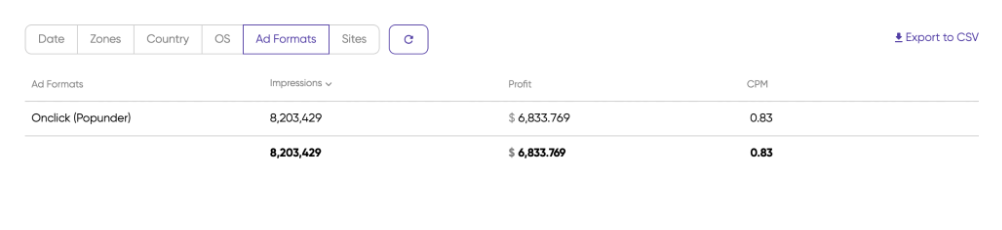
What did it lead to? More than $6,800 in revenue generated from 8.2 million impressions, powered by Monetag. Beyond the numbers, though, the key strength lies in his setup – a clear, uniform system built to scale big.
This publisher isn’t a typical traffic buyer or content-driven creator. He comes from a development background, with a clear understanding of product logic and user flows. Starting from a monetization-focused project, he gradually immersed himself in affiliate marketing. After experimenting with websites and traditional ad platforms, he eventually moved into mobile.
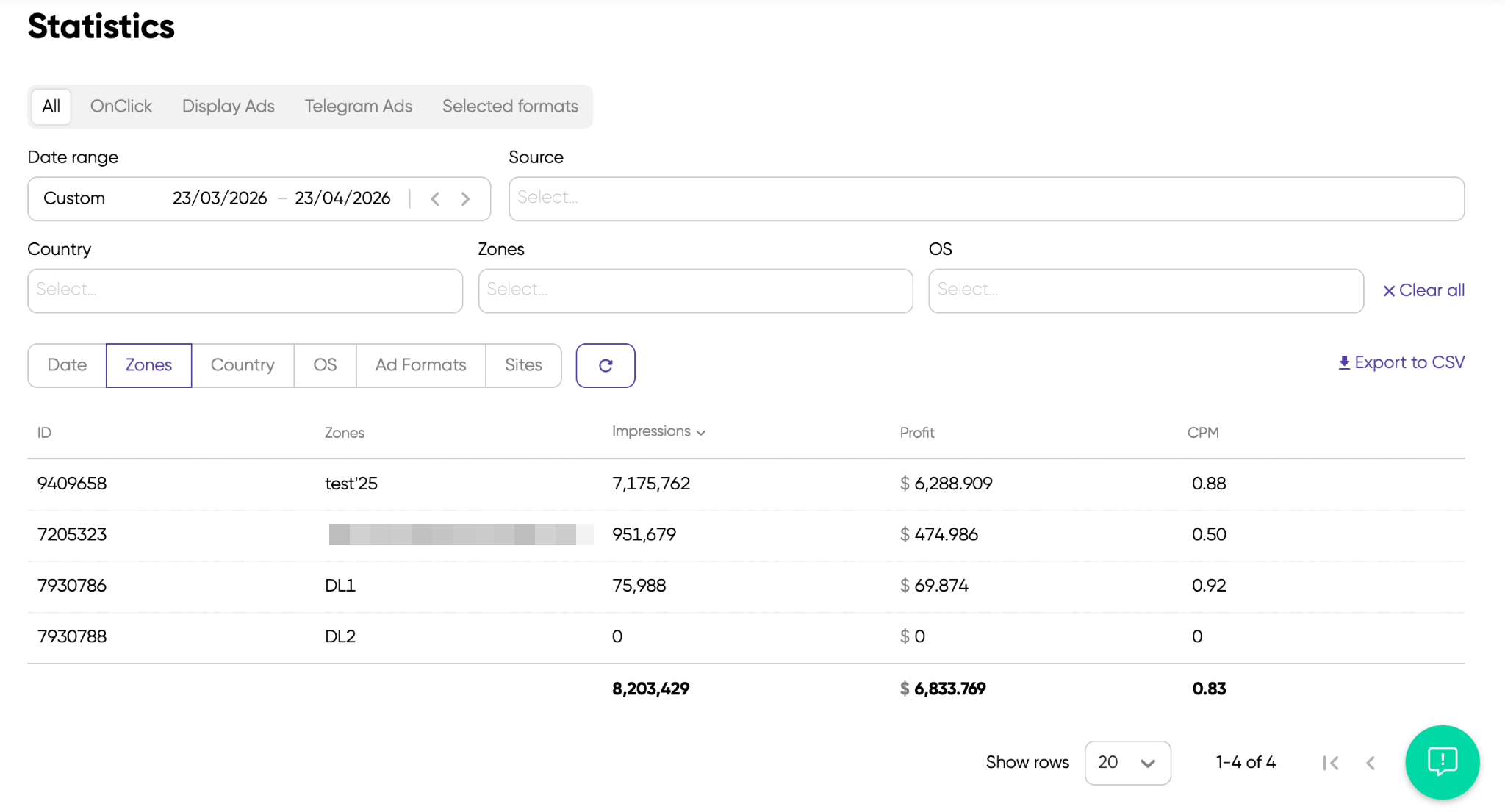
Total profit for the period – $6,833.77
Total impressions – 8,203,429
Average CPM – $0,83
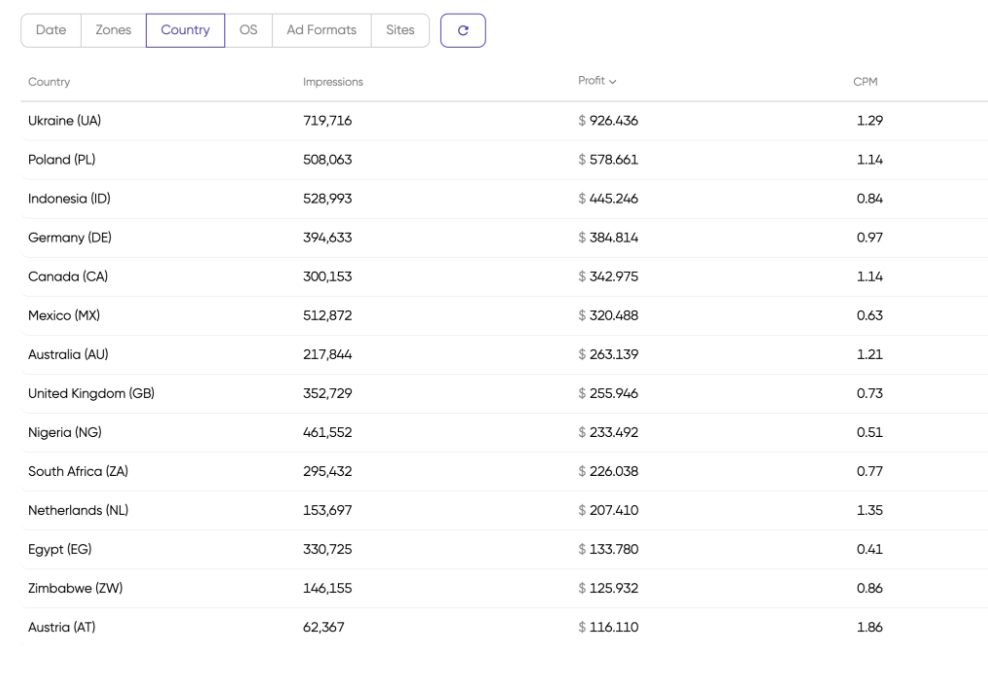
Top GEO by profit – UA ($926.44), PL ($578.66), ID ($445.25)
Monetization format – Monetag / Programmatic / RTB-based monetization
Traffic source – Mobile Apps (Mobile Software & Language Learning Apps)
The Publisher Profile
His story shows that strong monetization in 2026 doesn’t depend on traffic volume alone. Instead, it’s about building a system that works consistently across channels and products.
Before this, I was involved in custom website and mobile app development.
So, who is this publisher?
- What he does: Develops and manages mobile applications, primarily in mobile software and language-learning categories.
- How he monetizes: Combines advertising, subscriptions, and programmatic monetization through Monetag.
- What he earns: Generates over $6,800 in revenue from more than 8.2 million impressions.
- Monthly performance: Stable, system-driven results based on continuous optimization rather than short-term spikes.
By working with mobile traffic and programmatic monetization, he focuses on scaling and diversification. With an average CPM of $0.83, this setup brings steady revenue across a wide range of GEOs.

How the Publisher Built His Strategy (From 0 to Hero)
There’s no single trick behind these results. The whole setup is built step by step: through testing, adjustments, and many iterations. Instead of relying on a single source or model, the publisher focused on creating a system that can adapt and scale over time.
So what does he actually do?
He entered affiliate marketing through a traffic monetization project, initially on the development side. As it became harder to rely only on platforms like Google and Meta, he started exploring alternative approaches to monetization.
Over time, the focus naturally shifted to mobile apps, where his team already had strong experience in product development and user acquisition.
From there on, the process became more structured as traffic came from multiple sources.
Nevertheless, it’s never purely about the volume… In order for everything to work as a work clock, it needs to be tested and optimized (from creatives and funnels to decision speed). AI is also part of the workflow, helping scale what works and cut what doesn’t faster.
We attract traffic from different sources, analyze quality based on key metrics, and constantly optimize our approach.
Monetization works the same way… It’s not based on just one model. It depends on the product and the audience, so different approaches are combined. Advertising, subscriptions, and in-app purchases all contribute to the overall result.
At the same time, Monetag helps make the process much simpler. With SmartLink, each user is automatically matched with the most relevant offer, without the need for constant manual adjustments. This makes the whole setup more efficient and keeps performance stable across different traffic segments.
Monthly Results: $6,833
Spoiler:
The $6,833 here didn’t come from one lucky spike…
What it really is – the result of something that just works consistently. Most of the revenue comes from one main source (bringing in over $6,200), which shows that once you find what works, scaling it properly matters more than constantly jumping to something new.
At the same time, smaller sources and GEOs still play their role. Countries like Ukraine, Poland, and Indonesia aren’t about super high CPMs, but about consistent performance with a uniform add-on effect.
How the System Works (Traffic + Content + Funnel)
We try to look at monetization more broadly and combine different models.
Once the foundation was in place, the focus shifted to improving how everything performs together. Instead of constantly chasing new sources, the publisher now works on refining what’s already there (i.e., how users enter the app, what they see first, and how quickly they understand the value). These small adjustments often have a bigger impact than simply increasing traffic.
The apps are designed to be simple and clear from the start, so users can engage without friction. Henceforth, their experience is continuously fine-tuned rather than rebuilt. Weak points are improved, and different variations are tested, driving performance growth.
Monetization is layered naturally into this flow. Since different users respond to different approaches, a mix of ads, subscriptions, and in-app purchases is used. Over time, this creates a balanced setup where each element supports the others, helping the system remain uniform and yet continue to improve.
Traffic + Content + Funnel
Refine the flow, not just the volume
01 · TRAFFICHow users enter
02 · CONTENTWhat they see first
03 · FUNNELHow fast they get value
Small tweaks > new sources. Test, refine, repeat.
Monetization, layered: Ads Subs IAP
Key Shift & Final Takeaway
I wouldn’t say it [first professional steps in the industry] was about making mistakes. It was more about working through challenges, learning to move faster with decisions, and going deeper into the technical side. It’s just part of the process.
Are you trying to get everything perfect before you scale?
In reality, it rarely works that way… Progress comes from testing, adjusting, and making your setup stronger over time (especially when you’re working with flexible monetization tools like Monetag).